
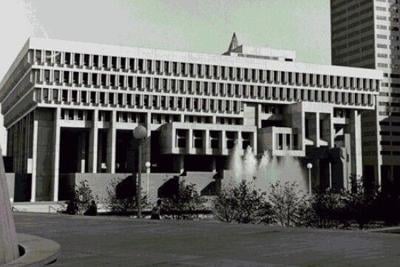



Boston City Hall
BOSTON – It took too long for Boston to realize it wanted to expand its opioid legal strategy, as a federal appeals court has found its lawsuit blaming pharmacy benefits managers for the nation’s addiction crisis missed the statute of limitations.
The U.S. Court of Appeals for the First Circuit reached that conclusion Monday, granting dismissal to companies like Express Scripts and OptumRx. Lawsuits against PBMs represented the next quest for money after opioid lawsuits initially targeted manufacturers, distributors and pharmacies.
Boston filed its suit on Jan. 12, 2024 – more than five years after it had filed the first round of defendants. PBMs argued Boston missed the three-year statute of limitations, while Boston said that period should have been paused because PBMs had “fraudulently concealed” their roles in filling sketchy opioid prescriptions.
A Boston federal judge had found there was plenty out there before 2021 that would have put the City on notice that there was a “probability of wrongdoing” by the PBMs.
“First, from 2018 to 2019, at least 74 lawsuits, all a matter of public record, were filed by other cities, towns and counties not just against opioid manufacturers but also against the PBM defendants,” Judge Sandra Lynch wrote.
Boston’s private lawyers – the firm Motley Rice – even received a letter in 2018 from colleagues who had filed the first lawsuit against PBMs. Eight months later, Motley Rice did not include PBMs when suing manufacturers, distributors and pharmacies on behalf of Boston.
PBMs have made the “too late” argument elsewhere, like Philadelphia, where that city sued them years after filing its first case, similar to the situation in Boston. A motion to dismiss the Philadelphia case cited the result in Boston and remains pending.
Boston hoped three other rulings – from Alaska, Washington and West Virginia - would sway the First Circuit. Though those decisions found the cases against PBMs were timely, they differed from Boston’s, the First Circuit said.
None applied to the “Massachusetts statutory scheme at issue here,” and the Alaska court used a “relaxed” standing for pleading fraud, the First Circuit said.
More than $50 billion has been recovered by hundreds of local and state governments from settlements with various companies. The lawsuits alleged the pharmaceutical industry ignored red flags in prescriptions and flooded communities with painkillers, leading addicts to turn to illegal drugs like heroin and fentanyl.