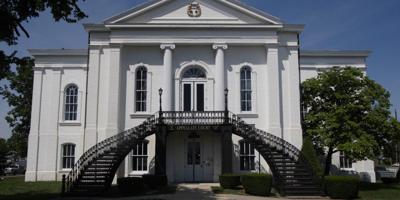



Illinois Fifth District Appellate Court, Mount Vernon
MOUNT VERNON — A state appeals panel won’t let a Southern Illinois car dealer use arbitration agreements to put the brakes on a class action alleging it misled customers about factory rebates.
Five customers sued Ward Chrysler Center, along with owners Mark and Ron Ward, in November 2024 seeking financial compensation for alleged violations of the state’s Consumer Fraud and Deceptive Business Practices Act. They claimed the dealership didn’t let buyers know about factory-authorized rebates to which they were entitled.
The Wards asked Jackson County Circuit Court Judge Christy Solverson to stay the proceedings and enter an order stipulating the dispute head to arbitration, citing what they called a binding agreement signed when customers buy cars. Solverson denied that motion, prompting a challenge to the Illinois Fifth District Appellate Court.
Justice Robert Bollinger wrote the panel’s decision, filed March 26; Justices Barry Vaughan and James Hackett concurred. The order was issued under Supreme Court Rule 23, which restricts its use as precedent.
According to the customers, Ward’s franchise agreement with Chrysler required it to notify customers about rebates and process them with the automaker. They alleged the dealership hid rebates from thousands of new car customers as far back as 2000 and instead kept the money. In addition to the rebates, the complaint asks the court to award punitive damages, legal fees and interest.
Bollinger said Judge Solverson found the dealership didn’t prove the existence of valid agreements that would compel arbitration. After an initial motion to stay the proceedings, the customers filed an amended complaint “challenging the validity and enforceability” of the agreements, Bollinger wrote, claiming they weren’t properly formed and either didn’t bear the customers’ signatures or, for those that did, denied “such agreements were ever discussed with them or brought to their attention by defendants.”
Judge Solverson specifically said the customers’ affidavits established the signatures weren’t valid and also noted a lack of contravening evidence from the parties that signed the agreements or anyone with the dealership who might have helped draft the documents.
The dealership also argued the customers contradicted themselves in filings and statements to the extent the arbitration agreements had to be considered valid. The panel disagreed, as Bollinger wrote the customers’ “pleading allegations asserted various theories supporting their request for declaratory relief in the (first amended complaint). Those theories challenged the validity and enforceability of the alleged arbitration agreements.
“While certain of those theories rest on the assumption that the parties entered into arbitration agreements (fraudulent inducement and unconscionability theories), plaintiffs also challenged the validity of the arbitration agreements under principles of contract formation. We are unable to find the allegations in the (first amended complaint) to be ‘deliberate, clear, unequivocal statements’ by plaintiffs that the parties entered into valid agreements to arbitrate.”
Finally, the panel rejected the dealership’s insistence that Judge Solverson wrongly applied a requirement that it present counter-affidavits, saying that position “runs contrary to defendants’ burden of proof on their motion” and also agreed “the record was sufficient” for her to rule on the motion to compel arbitration without further evidence or discovery, noting the dealership agreed to the manner in which she conducted a hearing on their request.