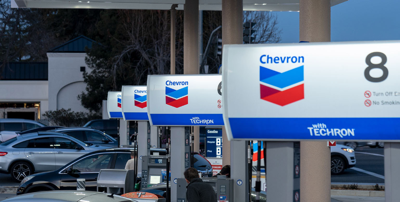


Chevron station
SAN FRANCISCO – Chevron is asking a California federal judge to throw out a class action lawsuit that claims it and other oil refiners conspired to drive up gas prices in the state.
Two law firms and Consumer Watchdog filed the case last year, alleging the companies inflated the costs they paid to comply with the Low Carbon Fuel Standard program. It says data shows their reports reflect a 7 cents-per-gallon increase starting Jan. 1, 2025, despite no changes in market credit prices.
This led to Californians spending hundreds of millions of more dollars at the pump, the suit says. But Chevron’s March 26 motion to dismiss argues the plaintiffs can’t allege anything that points to an industry-wide conspiracy.
“And although the point of the alleged conspiracy was supposedly to raise gasoline prices, Plaintiffs do not plead any gasoline price set by any defendant, much less allege facts showing that they all incorporated inflated LCFS costs into their prices in parallel,” the motion says.
“Plaintiffs’ conspiracy theory also fails because it is nonsensical. If the goal was to conspiratorially increase prices, Defendants could have just raised their prices—there is no need for the convoluted, roundabout mechanism Plaintiffs invent here.”
The other defendants are Valero, PBF, Marathon and Phillips 66 – companies that submit data to California each month regarding gasoline-refining margins and the costs of complying with LCFS. That program aims to reduce dependency on oil in favor of low-carbon and renewable alternatives.
Though plaintiffs allege manipulation of these numbers, Chevron says the answer is simpler: Starting on Jan. 1, an amendment “made annual compliance more difficult and costly.” A stricter standard for carbon intensity meant refiners would have to purchase or generate more credits under the LCFS program to offset the same volume of fuel sales.
That amendment was delayed in February, leading to two separate standards for each half of 2025. The previous year’s standards were left temporarily in place, so the plaintiffs allege gas prices should not have risen like they did.
“Plaintiffs also allege that Defendants, as a tight-knit group of industry players, have many opportunities to communicate,” Chevron wrote. “Again, that simply describes any interdependent market.
“Moreover, Plaintiffs allege no facts reflecting any such communications among Defendants. Vague allegations of inter-competitor communications do not raise an inference of conspiracy.”