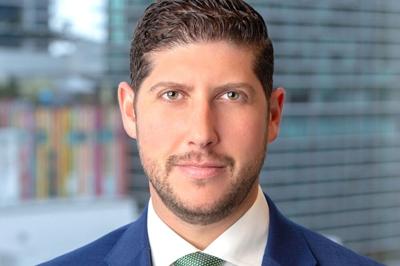



Attorney Jason Goldman said Florida will likely adopt some form of third-party litigation funding regulation in the future.
TALLAHASSEE — A third-party litigation funding (TPLF) measure supported by tort-reform advocates died in the state Senate earlier this month, but a commercial litigator in Miami says Florida will eventually adopt such regulations as the funding practice becomes more widespread.
“It’s going to pass in the future at some time,” attorney Jason Goldman of Davis Goldman PLLC told the Florida Record. “Florida is going to lean into this.”
Senate Bill 1396, sponsored by state Sen. Colleen Burton (R-Lakeland), passed the Senate’s Judiciary and Rules committees earlier this year but ultimately was sidelined on March 13.
The measure would have regulated such funding contracts by barring litigation financiers from affecting the course of court proceedings and from receiving a share of damages awards that exceeds what the plaintiff recovers, according to the Legislature’s analysis of the bill. The bill would also have required the disclosure of legal financing agreements involving foreign investors.
Currently, Florida has no rules specific to TPLF, a process in which an entity that is not a party to a civil lawsuit provides funding to a litigant in exchange for a share of a potential damages award. If the lawsuit is unsuccessful, a plaintiff does not have to pay back the funds.
There’s a need for certainty and uniform guardrails when attorneys and their clients opt for TPLF, Goldman said, adding that overall TPLF is beneficial when lower-income clients are taking on well-funded defendants.
“I think it democratizes litigation,” he said.
Some Florida judges have already started requiring the existence of such funding agreements to be disclosed, but a uniform policy is needed to protect the attorney-client privilege while assuring a level of transparency, according to Goldman.
SB 1396 was fair in its differentiation between funding agreements advanced by domestic lenders vs. foreign investors, he said. That’s because foreign actors may have hidden agendas that could affect U.S. jurisprudence, according to Goldman.
But he said a requirement that lenders not receive a greater share of the proceeds than plaintiffs might not be workable, given the number of variables involved in the recovery of damages, attorney fees and profitability concerns.
“There’s a certain level of calculation that has to take place by attorneys who use financing,” Goldman said.
He also expressed concern that if TPLF laws are passed at both the state and federal level, conflicts may arise.
Another option is that the Florida Bar could put in place rules governing litigation financing. The bar generally discourages parties from using litigation companies, according to the Legislature’s analysis of SB 1396, and allows attorneys to discuss the TPLF option only if they believe it’s in the client’s best interest.
Generally, backers of the measure argue that it makes sense to ensure transparency in the civil litigation process and to put in place consumer protections. But opponents point out that the disclosure of such funding agreements might tip off too much about a plaintiff’s financial status to well-funded defendants.
TPLF critics also express concerns that complex financing agreements may cause plaintiffs to end up receiving less in terms of damages awards than they originally anticipated and reject reasonable settlement offers.