
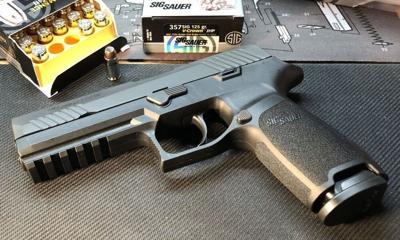



Sig Sauer Model P320 pistol
NEW HAVEN, Conn. – Animation used by a personal injury lawyer who sues the gun-maker Sig Sauer over alleged defects in the P320 pistol must be taken off the internet, a Connecticut federal judge has ruled.
Judge Victor Bolden ruled June 5 in the long-running dispute between Sig Sauer and Jeffrey Bagnell, who is one of many lawyers claiming the P320 discharges without the trigger being pulled. Verdicts are split, and the largest award for a plaintiff appears to be $11 million in Philadelphia.
At issue in the Connecticut case was whether Bagnell’s video identifying defects in the gun was false. It was posted to Bagnell’s professional website and YouTube and shows why the P320 goes off without users pulling the trigger.
“(T)his permanent injunction merely prevents the Defendants from publishing this version of the Animation for advertising purposes,” Bolden wrote.
“Such a narrow injunction does nothing to prevent the Defendants from continuing to practice law, represent plaintiffs against Sig Sauer, publicly express opinions about Sig Sauer or its products, or using even this version of the Animation in the context of other litigation.
“Instead, the Defendants are (and will be) barred only from publishing this literally false animation about the P320, which, on this record, does not accurately explain how an uncommanded discharge could happen.”
The video is five minutes long and purports to show how vibrations or sudden movements could cause discharge, starting with a written message that the P320 contains a “mechanism of failure.”
Sig Sauer identified five statements it claimed were false. Some components of the gun are depicted as lumpy and uneven though they are actually flat with straight edges that make “rollover” impossible. The photo shown was actually of grease buildup of a specific P320, Bolden wrote.
Two misrepresentations allowed Bagnell to claim the safety lock could slip over the safety notch, but Bolden found the physical geometry of what was shown in the video and the reality of the design were different.
“The safety notch’s smaller size combined with the animation’s distorted geometry added credibility to the otherwise inaccurate claim that the lock could slide past the notch,” Bolden wrote.
“The defendants presented no evidence t trial that the striker safety notch resembled the one depicted in the animation.”
Bolden called the five statements “literally false” and said the video was subject to false advertising laws because it is a part of Bagnell’s appeal to potential clients.