



WASHINGTON – A retail group is pushing back against claims retailers use pricing technology to secretly charge shoppers more based on their personal information.
A vice president of the National Retail Federation says critics actually are confusing digital tools, targeted discounts and practices in other industries with evidence of individualized retail price increases.

Straczewski
Jason Straczewski, NRF’s group vice president of government relations and political affairs, said retailers use customer data to improve product selection, deliver relevant offers and compete for shoppers – not to determine which individual customers can be charged more.
“Definitions matter here, right? Dynamic surveillance, algorithmic, personalized. What does it all mean?” Straczewski told Legal Newsline. “The bottom line is this: Our consumer protection laws are based around protecting consumers from actual harm.”
The dispute involves arguments advanced by Lindsay Owens in “Gouged: The End of a Fair Price – and What That Means for Your Wallet,” which examines how companies use pricing software and consumer information to influence what customers pay.
Straczewski said Owens’ arguments improperly draw connections between retail and industries with different business models, including travel, rideshare services and ticket sales.
“Some of the claims in the book and in the reporting are conflating business practices from different business models, and then presuming that retail is doing the same thing with no evidence,” Straczewski said.
NRF’s criticism turns on a distinction between what technology could theoretically enable and what retailers have been shown to do. Straczewski said allegations that retailers charge individuals more based on shopping histories, demographics or purchasing behavior require evidence.
“We’ve also been asking the question: Where is the data or empirical evidence that this is actually occurring?” he said.
Retailers have long monitored shopping patterns to determine what customers want, he said. Knowing which products shoppers buy helps stores decide what to stock and which promotions to offer.
“They’ve always observed what their customers do, how they shop, what their interests are, track their purchases,” Straczewski said. Without that information, he said, retailers risk offering products customers do not want.
NRF made a similar argument in an August 25 blog post:
“Retailers are using data and new technology to do what they have always done: create a customer experience to market relevant products at compelling prices.”
Straczewski said using that information to offer discounts is fundamentally different from using it to increase an individual’s price.
“Now discounts are fair game, right?” he said. “That’s how you compete. Every merchant has every right to try to convert that sale while you and I are in the store.”
NRF’s February explanation of algorithmic pricing framed the distinction this way:
“They’re getting targeted discounts, not targeted price hikes.”
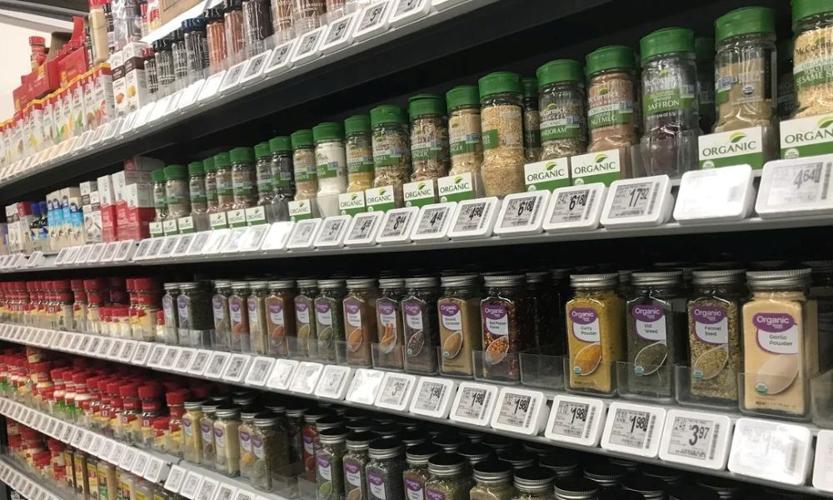
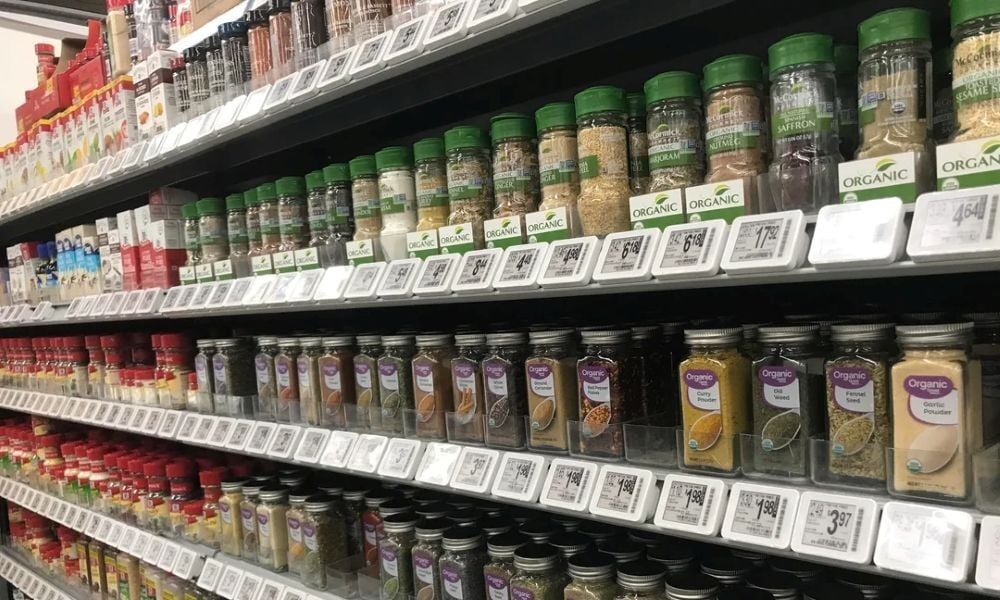
Electronic shelf labels are a central focus of Owens’ criticisms. The displays replace paper tags and allow stores to update posted prices without employees physically replacing each label.
NRF says the labels are being portrayed as pricing systems when they are actually display tools.
“Digital shelf labels display prices — they do not decide them,” the association said in an October 8 statement.
In a separate explanation, NRF said: “The labels are a communication tool, not a decision-making system.”
NRF says digital labels do not collect personal information, recognize individual shoppers or display different prices to people standing in the same aisle. It says their principal benefits include keeping shelf and checkout prices consistent, implementing approved promotions and reducing repetitive work associated with paper tags.
“There is no evidence that U.S. retailers are using digital shelf labels to engage in surveillance pricing, personalized pricing or surge pricing in stores,” NRF’s October statement said.
Straczewski said retailers want faster updates in part because physical stores compete with online sellers whose prices can change quickly. But he said in-store changes typically occur overnight or on established schedules, rather than continuously as shoppers browse.
“They’re trying to be timely with their updates so they can be competitive,” he said.
Price decisions remain under the control of people, he said, even when software helps analyze costs, inventory and competitors’ prices.
“These are strategic competitive decisions that people are having to make, and the technology just makes it easier and faster to deploy that, cuts down on waste, and hopefully eliminates some of those pricing errors,” Straczewski said.
NRF’s algorithmic-pricing explanation also says technology changes the speed of analysis, not the basic considerations involved.
“While the speed and scale of price analysis have changed, the fundamental principles behind how prices are set have not,” the association said.
Straczewski said secret individual price increases would threaten the trust retailers need to retain customers.
“That would erode all trust and loyalty,” he said.
He described two shoppers standing in a grocery aisle looking at cereal while a shelf price changed according to which person was viewing it.
“You and I would look at each other and probably walk out of that store and go shop across the street,” he said.
Retailers face competition not only from nearby stores but also from online sellers, Straczewski said.
“Now your local grocery store and your local department store are competing against retailers online across the globe that can deliver you a product in two days,” he said.
NRF says prices reflect familiar business factors, including “costs, inventory levels, competition, seasonality, geography and consumer demand.”
Those factors can produce price differences without demonstrating that a store has calculated how much a particular shopper is willing to pay.
NRF cites academic research examining a major U.S. grocery retailer before and after it adopted electronic shelf labels. The research found no meaningful increase in temporary price increases following adoption.
That finding challenges the assumption that installing digital labels necessarily leads to surge pricing. Its scope, however, is limited to the retailer and pricing behavior studied; it does not establish how every retailer uses customer data or pricing software.
The Federal Trade Commission also has distinguished market-driven price changes from individualized pricing based on personal information.
“Prices will vary based on changes in supply and demand that affect everyone participating in the same market,” the agency said in its August proposed enforcement policy statement.
Straczewski said NRF supports protecting customers against deceptive practices but wants policymakers to use precise definitions.
“Let’s not write these rules and regulations without clear definitions that impact the ability for these businesses to compete for our business,” he said.
Straczewski describes undisclosed individual price increases as illegal, and the FTC agrees, saying existing law prohibits unfair or deceptive conduct.
NRF argues that overly broad restrictions could interfere with loyalty rewards, targeted coupons, competitive price matching and markdowns on food approaching its expiration date.
For Straczewski, the central distinction is between using information to harm shoppers and using it to offer savings.
“Using that information to serve us better, to give the customer more relevant experience and timely savings and discounts is a good thing,” he said. “And it benefits the customer.”