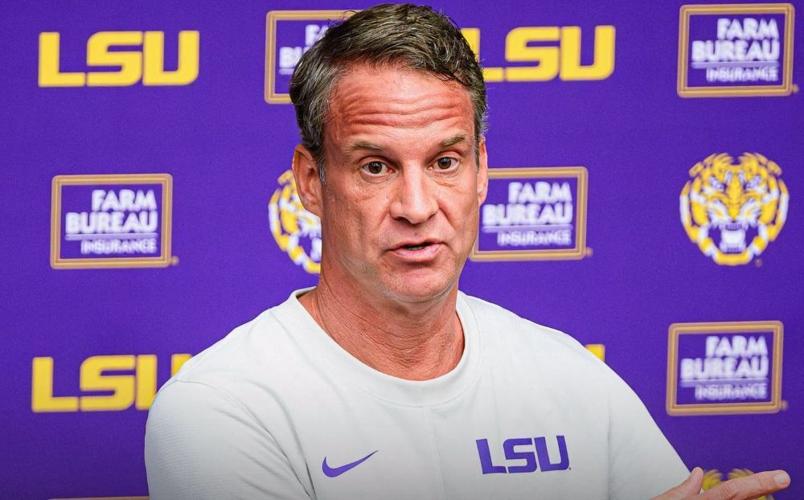



LSU football Coach Lane Kiffin
BATON ROUGE, La. — A Louisiana judge has barred the NCAA and Southeastern Conference from punishing schools that allow certain former professional athletes to return to college sports.
The September 3 ruling by East Baton Rouge Parish Judge William Jorden clears the way for Louisiana State University’s football team to add former NFL players to its roster days before its season opener.
Jordan granted a preliminary injunction sought by athletes challenging restrictions on their eligibility for a fifth season. The order protects the athletes named in the Louisiana case and schools that put those players on their rosters while the litigation proceeds. It is not a final decision on the underlying claims.
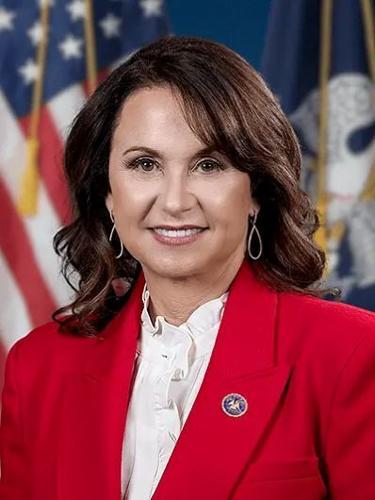
Louisiana Attorney General Liz Murrill praised the ruling.

Murrill
“These athletes were seeking a fair forum and a neutral decision-maker, and I’m very pleased that they obtained that, as well as relief,” she said. “The NCAA did not send anyone to the hearing other than lawyers. And the SEC commissioner astonishingly said he had never read the relevant rules until today.
“The judge heard all the testimony, but I believe he was most moved by the rule itself: it does not prohibit these students from playing. I believe the judge ruled correctly by protecting their eligibility.”
The ruling is an immediate victory for LSU Coach Lane Kiffin and former Ole Miss players Dae’Quan Wright and Zxavian Harris, who had brief NFL stints and are seeking to play for the Tigers.
Wright, a tight end, said after the hearing he expected to be ready for LSU’s opener against Clemson after practicing with the team for two days. Harris said he expected to need several weeks before being ready to play.
Jorden’s order prohibits the NCAA and SEC from imposing sanctions on a school for playing athletes covered by the lawsuit. The case involves 42 athletes from several sports, although the injunction does not automatically extend to every athlete nationwide seeking another year of eligibility.
The dispute stems from the NCAA’s June move to a five-year participation model, replacing the previous system that generally allowed athletes to compete in four seasons over a five-year period. The NCAA did not extend the new benefit to athletes who had already exhausted eligibility under the old framework, prompting lawsuits from hundreds of former college athletes seeking another season.
Some athletes signed professional contracts after believing their college eligibility had ended. Attorneys for the athletes argued that they should not lose the opportunity to return because eligibility rules were in flux. NCAA and conference officials say allowing players to move from professional teams back to college rosters would undermine a fundamental boundary between college and professional sports.
The SEC last week reaffirmed a policy aimed at preventing schools from placing former NFL, NBA or WNBA players on rosters. The conference’s potential penalties included suspending a coach for half a season and imposing fines that could reach tens of millions of dollars, according to testimony and arguments in the Louisiana proceeding.
In a statement after Jorden’s decision, the SEC said it disagreed with the ruling and would continue to defend its authority to set rules for its members.
“The SEC’s presidents and chancellors unanimously adopted a clear and reasonable standard: member universities should not place former professional athletes on their rosters,” the conference said. “The conference and its member universities have the right to establish, through agreed-upon governance procedures, the rules under which they voluntarily compete and to expect those rules to be followed.”
SEC attorneys said they planned to appeal. The conference also filed a separate federal lawsuit Thursday against LSU and Kiffin in Alabama, seeking a ruling that would allow it to enforce its policy against former professional athletes returning to conference rosters. No ruling had been issued in that case.
Jorden questioned the conference’s approach during closing arguments, saying its effort to reinforce the prohibition sounded “an awful lot like wide-open collusion.”
The order leaves LSU with short-term authority to add Wright, Harris and other covered athletes without immediate NCAA or SEC punishment, but it does not resolve whether the athletes ultimately will be entitled to play. The ruling also sets up a broader legal test of whether conferences can enforce their own eligibility restrictions as the NCAA’s authority over college sports faces continuing court challenges.