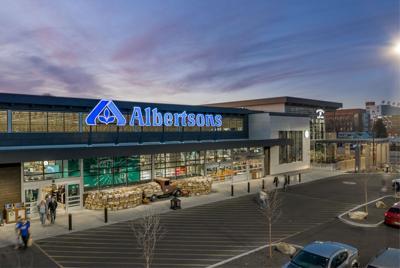



Albertsons store in Boise, Idaho
ANCHORAGE, Alaska - The Alaska Supreme Court has allowed the state to proceed with lawsuits against Albertson’s, Safeway and Kroger grocery stories claiming they created a public nuisance by improperly distributing opioids from their pharmacies.
Rejecting the path taken by some other states, the Supreme Court said there is nothing wrong with using public-nuisance law to punish companies over the sale of legal products, if the government can prove the store pharmacies distributed controlled substances in violation of regulations.
“In highlighting the far-reaching collective consequences of the pharmacies’ conduct on the public rights to health and safety, the state has sufficiently alleged unreasonable interference with a public right so as to survive a motion to dismiss,” the court said in a Nov. 6 opinion overturning a trial court’s dismissal of the case.
The high court upheld the dismissal of one of the state’s claims under the Alaska deceptive trade practices law but restored a claim that the stores deceived the public by “creating the false impression they were carrying out their legal obligations” and combatting opioid abuse. The state accuses the stores of failing to detect suspicious orders, allowing opioids to migrate to the street.
Albertsons and the other defendants argued public-nuisance law doesn’t apply to the legal sale of highly regulated products like opioids, saying any harms were suffered by individual drug users, not the public at large. The defendants cited decisions by other state supreme courts including in Oklahoma, where the high court reversed a public-nuisance judgment against Johnson & Johnson in 2021. In that case, the Oklahoma court said public nuisance law was never applied to the sale of legal products and allowing it to do so “would create unprincipled liability for product manufacturers.”
The Alaska Supreme Court disagreed, saying Oklahoma’s interpretation of public nuisance was narrower than Alaska’s. The court also cited centuries-old English cases addressing “bakers, cooks, brewers, maltsters and apothecaries who sell products unfit for human consumption.” In the U.S., public-nuisance law was applied against striking railway workers, gambling houses and incompetent doctors.
The justices relied heavily on the definition of public nuisance in the Restatement (Second) of Torts, which says it is an “unreasonable interference” with the public’s right to health, safety, peace and convenience.
The trial court had ruled the state’s claim of excessive sales of opioids didn’t interfere with a public right, and any harm was better addressed through product liability law. The Supreme Court disagreed, citing the example of a malarial pond, which caused individual sickness but interfered with the right to public health.
The alleged violations of regulations over the sale of opioids fueled an increase in drug overdose deaths, illegal drug sales and “strain on healthcare and law enforcement systems,” the court said.
“These harms are collective in nature,” the court said.
The court also rejected comparisons to cases that have ruled out public-nuisance lawsuits over the sale of guns, saying the state isn’t suing over the legal sale of opioids, but sales that shouldn’t have happened under existing regulations.
“We decline to adopt a categorical bar on public nuisance suits involving the sale of products,” the court concluded.
Unlike other defendants that have paid more than $25 billion to settle opioid lawsuits – with more than $6 billion in fees flowing to private attorneys – Albertsons has taken cases to trial. Earlier this month, a Washington state judge ordered Albertsons and its Safeway subsidiary to pay $900 million, finding their pharmacies helped fuel the state’s opioid epidemic by failing to prevent the misuse and diversion of prescription painkillers.