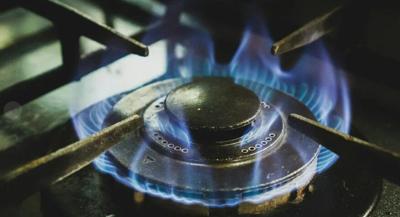



A natural gas stove burner produces a blue flame while in use.
DENVER – Restaurants and other businesses have lost their challenge to Denver ordinances that forbid them from using natural-gas appliances, as a judge has found they are not preempted by federal law.
The Restaurant Law Center and the National Association of Home Builders were among the trade associations that sued Denver in July 2024, arguing rules passed in Denver this decade were preempted by the federal Energy Policy and Conservation Act. Judge Philip Brimmer disagreed in an Aug. 7 ruling granting the city’s motion to dismiss.
Preemption only applies to energy use requirements on manufacturers before the appliances reach consumers, Brimmer wrote. He relied on a June ruling from the Second Circuit in a challenge to New York City’s ban on natural gas appliances in new buildings that found preemption under the EPCA applies to energy conservation standards, not prohibitions.
“(T)he 2023 standards – which only regulate appliances purchased by consumers and which do not impose requirements on manufacturers – do not regulate energy use as contemplated by the EPCA’s preemption provision,” Brimmer wrote.
It’s a win for the Sierra Club, which joined Denver in defending the laws. The group called the challenge “baseless,” complaining that previous standards were partly written by corporate interests. New codes aim to reduce pollution from gas-fired appliances, and similar measures have been upheld in D.C., Maryland, Illinois and California.
“This decision correctly recognizes that Denver and other local governments have authority to regulate the use of polluting gas appliances in homes and buildings,” said Emma Hardy, associate attorney with Earthjustice’s Rocky Mountain Office.
“The court in Colorado joined numerous other courts across the country that have recently recognized that federal law does not prevent states and local governments from adopting laws that encourage building electrification and limit the use of certain gas appliances for space and water heating.”
The Restaurant Law Center complained when it filed the suit that energy policy must be set at the national level. In court, it relied on a Ninth Circuit holding that struck down the City of Berkeley’s ban on gas piping in new buildings, but Brimmer found that decision unpersuasive.
He identified more with a dissenting judge in that case who wrote “(T)he text of EPCA’s preemption provision guarantees uniform appliance efficiency standards. It does not create a consumer right to use any covered appliance.”