





Jaime Huff, CEO of the Civil Justice Association of California
SACRAMENTO — Business groups continue to oppose an overhaul of California antitrust law that recently passed the state Legislature despite changes to limit enforcement of its provisions to public prosecutors rather than through private-party lawsuits.
Assembly Bill 1776, authored by Assembly Majority Leader Cecilia Aguiar-Curry (D-Winters), passed the state Assembly on Sunday and was sent to the governor’s desk. The measure aimed to expand the scope of California’s antitrust efforts by allowing legal actions against single large businesses that engage in monopolistic conduct and stifle competition.
The bill had been on the California Chamber of Commerce’s 2026 Cost Drivers list due to concerns that a previous version of AB 1776 would blur the line between anticompetitive conduct and lawful business competition.
Previously, the bill would have allowed private lawsuits targeting anticompetitive conduct by a single business entity. But the state Senate narrowed the bill’s enforcement to the attorney general or county district attorneys. In addition, the bill exempts from its provisions independent businesses in the state with 100 or fewer employees that average yearly gross receipts of $10 million or less.
The new amendments led the chamber to remove AB 1776 from its Cost Drivers list, but the chamber still disapproves of the bill’s expansion of antitrust provisions under the state’s Cartwright Act.
“California thrives – and consumers, workers and families win – when there are well-defined guardrails that distinguish lawful business competition from anticompetitive conduct,” the chamber said in a statement last week. “CalChamber has long believed that existing law strikes the right balance. Even with recent amendments, AB 1776 is a significant change to existing law, and we remain opposed.”
The Civil Justice Association of California (CJAC) said the initial version of the bill would have been a boon to plaintiff attorneys.
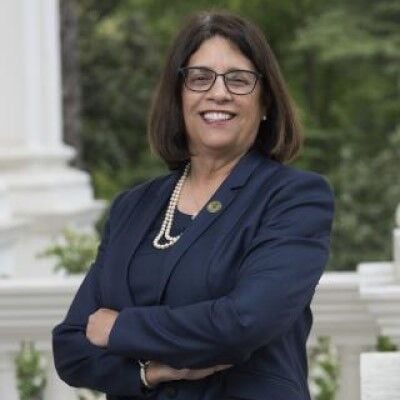
California State Assembly Majority Leader Cecelia Aguiar-Curry, D-Winters
“The bill as originally drafted would have turned private attorneys into bounty hunters with a stake in filing more lawsuits against small businesses,” Jaime Huff, the CJAC’s CEO, said in a statement emailed to the Southern California Record. “Removing the private right of action dismantled what would have been a full-employment act for billboard lawyers. …”
The American Economic Liberties Project, which helped draw up the earlier version of AB 1776, yanked its endorsement of the measure over the weekend. The project’s director of research, Matt Stoller, called the revised version of the bill “useless” in a post on X, formerly Twitter.
But supporters of the bill, including consumer groups and labor unions, say addressing consolidation within industries in the state will reduce California’s income-inequality gap and strengthen small businesses.
“As markets have consolidated, this gap has allowed companies to stifle competition, limit consumer choice and suppress wages without clear accountability under state law,” Aguiar-Curry said in support of AB 1776.
She said the latest amendments to the bill clarify how public enforcement of the measure’s provisions would work and that this enforcement mechanism does not apply to other state antitrust laws.
“AB 1776 protects small businesses – the majority of CalChamber’s members – from becoming the victims of predatory corporate practices that thrive on market concentration,” Aguiar-Curry said in a statement.
The bill was modeled after Section 2 of the federal Sherman Act, according to the Legislature’s analysis of the bill. It was drawn up after the state’s Law Revision Commission recommended reforms to the Cartwright Act to target anticompetitive conduct by single-business actors.
AB 1776 opponents point out that conduct by businesses that tends to harm their competitors could end up having price benefits for consumers. And the measure’s provisions leave courts with little guidance in evaluating complex issues surrounding businesses’ conduct, they say.