
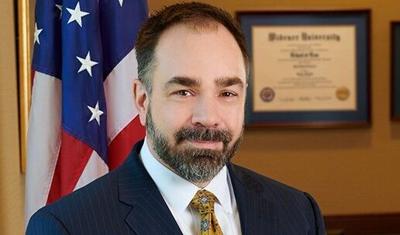



Kevin Brobson
PHILADELPHIA – Pennsylvania prosecutors can’t be sued for using recordings illegally obtained in criminal proceedings, the state Supreme Court decided last month in the case of a man whose ex-wife taped their conversations and filed criminal charges against him.
Jason Winig’s lawsuit sought compensation from the Philadelphia District Attorney’s Office after its failed prosecution of him on sexual assault charges. The judge in that criminal case had ruled his ex-wife violated the Wiretap Act when she recorded conversations with him without his knowledge.
Winig was unable to see his children for five months during the criminal proceedings and sought damages from the DA’s office. But a divided Supreme Court held high public official immunity protects district attorneys and assistant DAs from claims like his, even though the Wiretap Act creates a cause of action against “any person” who violates it.
“(W)e reaffirm our precedent that where the General Assembly intends to waive those (immunity) defenses for purposes of a newly created cause of action, it must do so expressly,” Justice Kevin Brobson wrote.
Justices Kevin Doughterty, Sallie Mundy and Daniel McCaffery all dissented. Dougherty called the majority’s conclusion “the exact opposite of what the General Assembly intended.”
The Wiretap Act only mentions the waiver of sovereign immunity, leading the two sides to debate whether other immunities were protected by not being specifically mentioned in the act or were impliedly waived.
“(T)he majority wholly fails to explain why the General Assembly would have wanted to expose low-level and mere employees of the Commonwealth – but no other government actors, not even mere public employees’ counterparts in local agencies – to liability under the Act,” Dougherty wrote.
His ex-wife’s complaint and the recordings led to police arresting Winig. Prosecutors used the recordings during multiple hearings and cited them in several court filings before the judge found they were created in violation of the Wiretap Act.
Prosecutors were prohibited from using them as evidence, the judge ruled. Without them, the DA‘s office dropped the case.
Winig’s lawsuit says the office knew or should have known they were in violation of the law and wrongfully disclosed and used them in public. He said he suffered humiliation, a loss of privacy and injury to his reputation.
McCaffery wrote that high public official immunity is merely an offshoot of sovereign immunity and is waived by the act.
“As can be seen, the Wiretap Act and its provisions are limited exclusively to the law enforcement community – courts, district attorneys and assistant district attorneys, and investigating police officers,” he wrote.
“These are the precise categories of ‘persons’ the Majority seeks to immunize as high public officials. Doing so creates an absurd oxymoron where the General Assembly waived sovereign immunity to government officers, officials and employees, yet those same actors are immune from liability because the General Assembly failed to use the magic words, ‘high public officials.’”