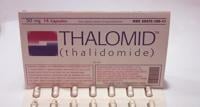


PHILADELPHIA — Prominent plaintiff attorneys Hagens Berman must pay the full costs of a special master’s investigation into bogus thalidomide lawsuits the firm filed without investigating the underlying claims, a federal judge has ruled.
The order to pay investigative and legal fees since 2017 ends a long-running fight in which Hagens Berman not only claimed innocence but attempted to have U.S. District Judge Paul S. Diamond removed from the case for alleged bias. In the end, Hagens Berman will be forced to pay the costs associated with its opposition to the probe into behavior Diamond said represented “misconduct bordering on the criminal.”
Hagens Berman represented 52 plaintiffs who sued thalidomide makers including GlaxoSmithKline decades after the drug was pulled from the market, claiming it caused birth defects. But those plaintiffs had either already sued or suffered genetic problems. Lawyer Steve Berman and others are accused of not thoroughly reviewing their clients' cases before filing them.
The law firm attempted to withdraw from the litigation, then compounded its problems when a former partner, Tyler Weaver, altered an expert report to try and convince one plaintiff to drop her case. The special master found Weaver had obstructed discovery, made baseless allegations to try and evade the statute of limitations and then tried to get clients to drop their cases when the misconduct came to light.
Judge Diamond rejected Hagens Berman’s arguments it shouldn’t bear the full cost of the investigation and fees associated with it, although the firm ultimately dropped its opposition. The judge said the law firm was “certainly `more responsible than other parties’” for the costs.
Hagens Berman is a major player in class action lawsuits and also scores government contracts to push litigation over issues such as tobacco, opioids and PFAS. But its pursuit of a thalidomide mass tort was undone about a decade ago.
Confronted with this reality (and a $145,000 sanction in 2015), Hagens Berman dismissed many of the suits in what a special master described as a “suspicious” arrangement under which Glaxo also dropped its request for sanctions.
Last December, Judge Diamond also said the law firm’s activities “more than warrant investigation” by the Justice Department.