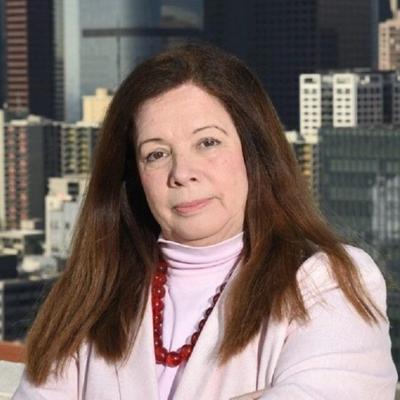



Los Angeles City Attorney Hydee Feldstein Soto
LOS ANGELES — A proposal pushed by left-wing activists and city officials to split the Los Angeles City Attorney’s office into a unit that advises city officials on civil litigation matters and one that carries out misdemeanor prosecutions is drawing opposition from the current and past city attorneys.
The city’s Charter Reform Commission last month released a 301-page report that discussed the details of the proposed bifurcation of the elected office. The plan would divide the current office into one headed by an appointed city attorney who would mete out legal advice to city leaders and another led by an elected city prosecutor who would oversee misdemeanor offenses.
The 13-member panel’s report argues that the current structure of the office generates conflicts of interest because of the office’s wide-ranging duties.
“Separation provides clearer roles, reduces conflicts and allows each function to be performed effectively,” the report states.
The commission indicated that its advocacy for the reform comes after multiple public-engagement meetings in communities around the city.
The majority of commission members are selected through a process controlled by the mayor and City Council. The proposed charter amendment would give those elected leaders more direct control over the legal advice they receive, legal settlements and how civil litigation is managed.
The proposal to scrap the elected City Attorney office drew early support from the City Council’s far left wing, including Democratic Socialist Councilmember and current L.A. mayoral candidate Nithya Raman.
They argued the move was needed to ensure the city attorney responded to the mayor and city council when handling the city’s legal affairs and when helping the city council draft ordinances and regulations.
Critics of the plan, including former City Attorney Mike Feuer, say it is fundamentally undemocratic and reduces the independence of the office. They say appointed city attorneys could feel pressure to temper their advice to the mayor or City Council leaders in order to protect themselves from being fired.
“There were multiple times during my tenure where our legal analysis required my office to provide advice to an elected or appointed city official that they did not want to hear,” Feuer said in a letter to City Council members. “... No city attorney should wonder whether their best advice or most considered position on a controversial issue could subject them to removal from office by elected officials.”
The current city attorney, Hydee Feldstein Soto, said the measure would erode Los Angeles voters’ ability to choose an independent arbitrator of law.
““Maintaining the current structure of this office is critical to ensure that Angelenos have an elected city attorney – unlike an appointed city attorney– who is accountable only to the voters and benefits from the independence essential to serving the best interests of the city,” Feldstein Soto said in a prepared statement.
Scott Cummings, a UCLA law professor, called the proposal unusual and said it likely differs with the structures in place in other large cities. Cummings also stressed that a charter change should address a real structural problem rather than a disagreement with a single city attorney decision.
“It’s nice to have legal aspects consolidated under one office,” Cummings told the Southern California Record. “... Splitting them off can create some problems in oversight and efficiency.”
On the other hand, the office is huge, with hundreds of attorneys working for it and an assortment of duties, he said, adding that it’s hard to say if splitting the office would create a more efficient system for handling litigation.
In the federal system, the attorney general is appointed by the president, and appointees can come under political pressure to carry out certain policies and manage litigation, according to Cummings.
Feldstein Soto said Los Angeles taxpayers would shoulder the costs required to separate the office into criminal and civil entities. Those costs are likely to be substantial and result in redundancies, she said.