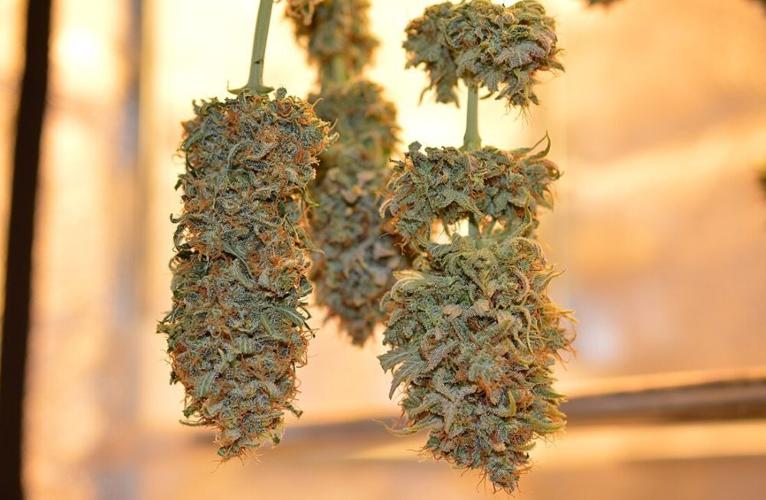



Cannibis
JEFFERSON CITY — Missouri Attorney General Catherine Hanaway announced that her office has issued 33 cease and desist letters to unlicensed retailers accused of selling intoxicating cannabis and marijuana products outside the state’s constitutional framework, alleging violations of consumer protection laws and the sale of potentially harmful substances.
According to the Attorney General’s Office, the targeted businesses are believed to be operating outside Missouri’s Article XIV Constitutional framework, which governs the legal sale of marijuana in the state.
The office alleges that these retailers have been marketing and selling products described as “cannabis” or “marijuana” despite not being licensed to do so under state law.
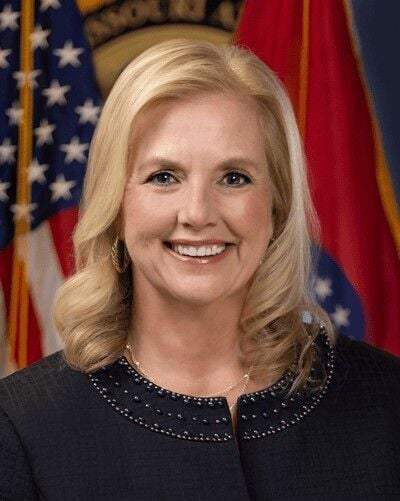
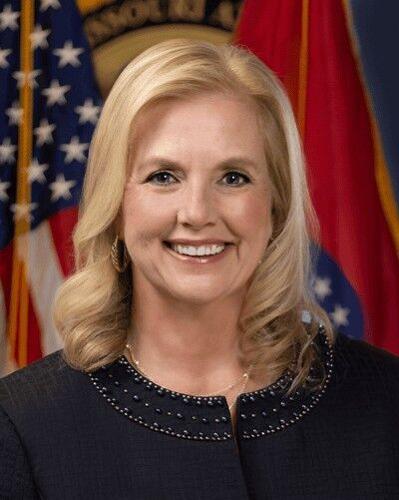
Hanaway
Hanaway said the enforcement action is part of an ongoing effort to address what she described as the “illegal retail drug trade” and to protect consumers from deceptive and unsafe products.
In a statement, she characterized the businesses as selling “dangerous, deceptive, and intoxicating” products, adding that the appearance of legitimacy does not make such operations lawful.
The cease and desist letters were sent to 18 businesses in the St. Louis region, 13 in the Kansas City region and two in the Springfield region.
Each of the businesses is alleged to be selling intoxicating products in violation of Missouri law and engaging in practices prohibited under the Missouri Merchandising Practices Act.
The Attorney General’s Office stated that laboratory testing of products sold by some of these retailers revealed the presence of contaminants, including lead, arsenic, mercury, ethanol and other substances such as solvents, pesticides or unidentified byproducts.
The office alleges that these products pose potential risks to consumers and are being sold without regulatory oversight.
Additionally, the office contends that none of the products in question have been approved by the U.S. Food and Drug Administration for any medical use.
Despite this, the products were allegedly marketed in ways that could lead consumers to believe they were legitimate cannabis or marijuana products under Missouri law.
The cease and desist letters assert that the businesses are engaging in unfair and deceptive practices, including the use of misleading packaging and labeling.
Some of the packaging, according to the Attorney General’s Office, may be designed to appeal to children or to confuse consumers about the nature and legality of the products being sold.
The letters demand that the businesses immediately stop selling the products in question, discontinue the use of deceptive packaging and labeling and cease any sales practices that could mislead consumers.
They also call for an end to the sale of products that contain unsafe or foreign substances that could cause harm.
Among the businesses named in the enforcement action are multiple smoke shops, vape stores, and dispensaries across the three regions.
In the St. Louis area, 18 establishments were identified, including locations in St. Louis, Maplewood and Ballwin.
In the Kansas City region, 13 businesses were cited, including those in Kansas City, Independence, St. Joseph and Cameron.
Two additional businesses in the Springfield region, located in Clever and Nixa, also received cease and desist letters.
The Attorney General’s Office indicated that it is prepared to pursue further action if the businesses fail to comply, stating that it will use the full extent of its authority to hold violators accountable.
Consumers who believe they may have been misled or harmed by products sold by these or other retailers are encouraged to file complaints with the Missouri Attorney General’s Office through its consumer protection division.
The office has also made at least one of the cease and desist letters publicly available, including correspondence sent to a Kansas City-area business.
The enforcement action underscores ongoing regulatory scrutiny of cannabis-related products in Missouri, particularly those sold outside the state’s established legal and licensing framework.