
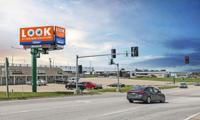


ST. LOUIS — A Missouri-based billboard company has filed a federal lawsuit accusing the City of Farmington and its city administrator of unlawfully cutting electrical service to a commercial property in retaliation for the company’s plans to operate a digital billboard.
Robinson Outdoor alleges that city officials abruptly removed an electrical meter and terminated power at a property located on Sunset Drive within hours of the company requesting a routine transfer of the existing utility account into its name, according to a complaint filed March 18 in the U.S. District Court for the Eastern District of Missouri.
The property had received continuous municipal electrical service since 2019, and no new installation or modifications were requested as part of the transfer, the lawsuit states.
The company claims the decision was retaliatory and tied to its intention to operate a digital billboard on the site, which it argues is protected under the First Amendment.
According to the complaint, the city acted “arbitrarily” and without notice, a hearing or a written explanation when it removed the meter and shut off service.
The complaint notes that City Administrator Gregory Beavers is accused of personally directing or approving the termination of service.
The lawsuit alleges Beavers expressed personal opposition to billboards during a prior meeting, stating he “does not like billboards,” “drives different routes to avoid looking at billboards,” and “would get rid of all the billboards on the planet.”
Robinson Outdoor contends the loss of power has prevented it from operating the billboard, fulfilling advertising contracts and generating revenue, resulting in ongoing financial harm.
The company says it has entered into agreements with multiple advertisers and invested significant resources into acquiring and developing the property, including a $1.5 million purchase contract and construction of the billboard infrastructure.
The complaint further alleges the city has refused repeated requests to restore electrical service, leaving the company unable to use the property for its intended commercial purpose.
In addition to impacting Robinson Outdoor, the power shutoff has also affected a separate business that had historically operated on the property and relied on consistent access to electricity, the filing states.
Robinson Outdoor brings multiple claims under federal civil rights law, including First Amendment retaliation, viewpoint discrimination and violations of equal protection and due process.
The company argues the city’s actions were motivated by hostility toward billboard advertising and were not based on any neutral or generally applicable policy.
The lawsuit also asserts a “class-of-one” equal protection claim, alleging the company was treated differently from similarly situated property owners who have not had their electrical service terminated under comparable circumstances.
According to the complaint, the property had received uninterrupted service for years before the ownership transfer request and the city does not typically remove meters solely because of an account name change.
Additionally, Robinson Outdoor claims the termination of service violated its procedural and substantive due process rights because it was carried out without notice, an opportunity to be heard, or any formal decision subject to appeal.
The company argues it has a legitimate property interest in continued electrical service, which is essential to the economic use of the property.
The complaint includes a state law claim against Beavers for tortious interference with contractual relationships, alleging his actions disrupted existing advertising agreements and business expectations.
Robinson Outdoor is seeking a temporary restraining order and preliminary injunction requiring the city to restore electrical service, along with declaratory relief, compensatory damages for lost revenue and business opportunities and attorneys’ fees. It is represented by Heidi L. Eckert and Julie M. Chambers of Blitz, Bardgett & Deutsch.
The company argues it is suffering immediate and irreparable harm, including the suppression of protected speech and ongoing disruption to its business operations.
U.S. District Court for the Eastern District of Missouri case number: 4:26-cv-00387