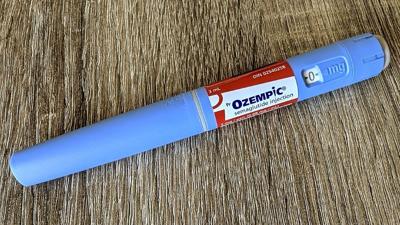

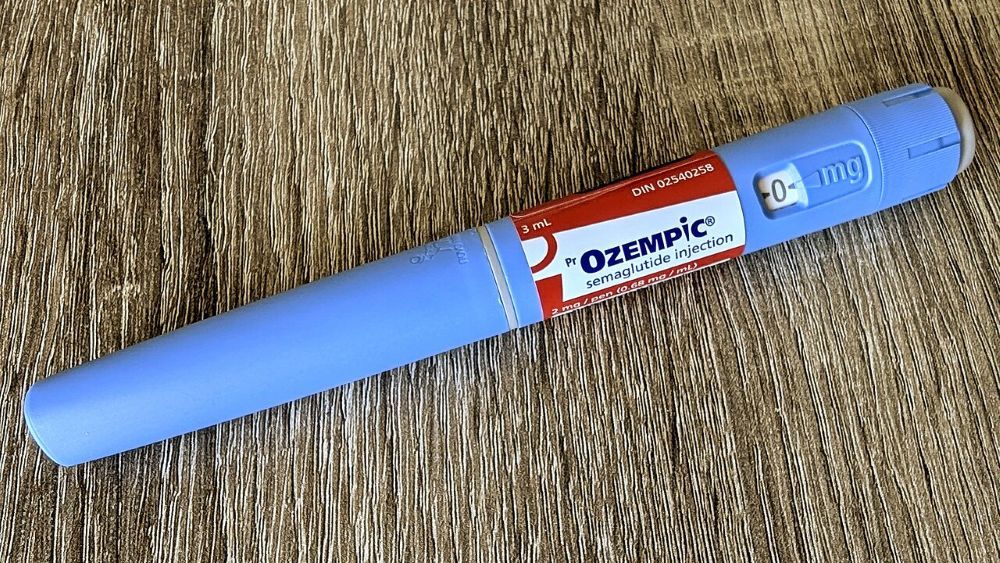
KANSAS CITY — A Hickory County woman has filed a federal lawsuit against Novo Nordisk and its U.S. subsidiary, alleging that the company’s diabetes drug Ozempic caused her to suffer permanent vision loss and that the manufacturer failed to warn patients and physicians of the risk.
Judy Mawhiney filed the complaint in the U.S. District Court for the Western District of Missouri on Feb. 20, naming Novo Nordisk A/S and Novo Nordisk Inc. as defendants.
The lawsuit alleges that after being prescribed and taking Ozempic as directed for Type 2 diabetes, Mawhiney developed non-arteritic anterior ischemic optic neuropathy (NAION), a condition that results in irreversible vision loss and can lead to blindness.
According to the complaint, Mawhiney “suffers severe physical and emotional injuries and radical changes to her lifestyle given her severe loss of sight” as a result of developing NAION after using Ozempic.
Mawhiney contends that no version of the Ozempic label has warned patients or doctors that the medication may cause NAION or permanent vision loss.
Ozempic, the brand name for the drug semaglutide, was approved by the U.S. Food and Drug Administration in December 2017 as a once-weekly injectable medication to improve blood sugar control in adults with Type 2 diabetes.
The complaint details the development of GLP-1 receptor agonists, a class of drugs designed to mimic a naturally occurring hormone that regulates blood sugar and appetite and traces Novo Nordisk’s work from earlier medications such as Victoza and Saxenda to the creation and approval of Ozempic.
The lawsuit alleges that Novo Nordisk heavily marketed Ozempic, including references to weight loss benefits before receiving separate approval for that indication.
Despite label updates over time for other safety concerns, including ileus and risks associated with anesthesia, the lawsuit alleges that Novo Nordisk failed to disclose the risk of NAION.
The complaint states that the FDA’s Adverse Event Reporting System contains reports of optic ischemic neuropathy associated with GLP-1 receptor agonists and that the earliest such report linked to semaglutide dates to 2019.
According to the lawsuit, Novo Nordisk has acknowledged that cases of NAION were identified in its clinical trials but has not added a warning about the condition to the Ozempic label.
The complaint notes that the European Medicines Agency recommended in June 2025 that product information for semaglutide medicines, including Ozempic, include NAION as a side effect.
It alleges that, as of the most recent label update in October, Ozempic’s U.S. prescribing information still does not mention NAION.
The complaint further alleges that Novo Nordisk has the ability to make certain label changes through the FDA’s “Changes Being Effected” process, but failed to do so with respect to NAION.
Mawhiney is seeking damages and has requested a jury trial. She is represented by Jonathan Aylstock of Aylstock, Witkin, Kreis & Overholtz in Pensacola, Fla.
U.S. District Court for the Western District of Missouri, Central Division case number: 2:26-cv-04040