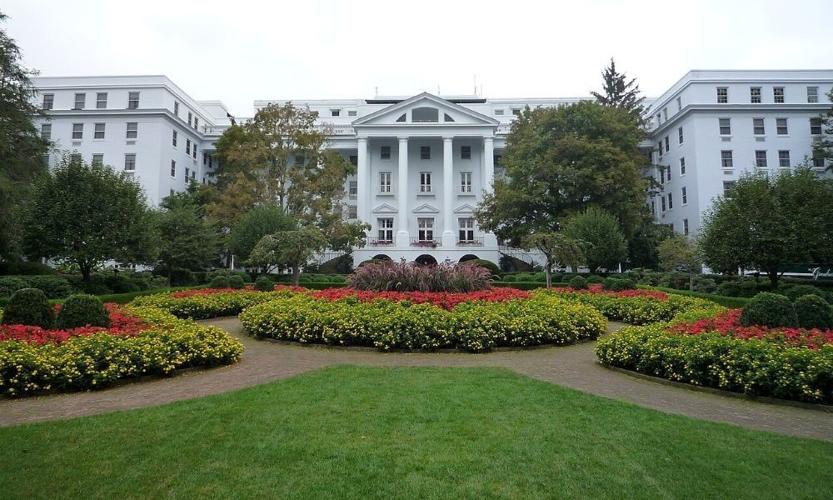






The Greenbrier Resort
CHARLESTON – Attorneys for The Greenbrier pushed back after a Louisiana-based bank sought to inject its separate debt dispute with the resort into the West Virginia Lottery’s review of the recent $500 million refinancing deal.
Documents obtained by The West Virginia Record through a Freedom of Information Act request to the West Virginia Lottery also show the half-billion-dollar deal with New York investment firm Kennedy Lewis Investment Management was structured to pay The Greenbrier’s state tax obligation as well as to settle litigation with an affiliate of Omni Hotels & Resorts.
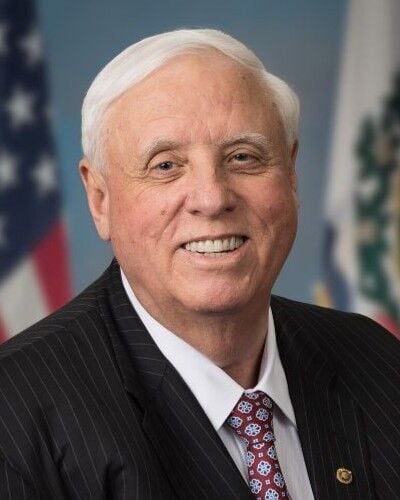
Justice
U.S. Senator Jim Justice’s family and KLIM announced August 14 they had completed a $500 million joint venture involving The Greenbrier. KLIM obtained a 51% controlling interest in the resort, while the Justice family retained a role in the new ownership structure.
But the West Virginia Lottery Commission’s approval of the ownership and casino-control changes remains pending. The issue likely will be discussed during the commission’s August 26 meeting, and it probably will be handled in executive session.
The Lottery separately issued The Greenbrier an annual casino license effective July 1, 2026, through June 30, 2027. That annual license permits video lottery and table games, but Lottery officials still are reviewing the KLIM transaction because it changes the ownership and control of the casino licensee.
An August 4 letter from Greenbrier attorney Steven Ruby provides a more detailed account of the financial cleanup contemplated by the transaction.

Ruby
Ruby wrote that the resort and Omni Hotels affiliate White Sulphur Springs Holdings had reached a “substantially final” draft of a release-and-payoff agreement. The agreement would fully satisfy liabilities asserted by WSSH and result in dismissal of all litigation between the parties once the deal closed, Ruby wrote.
WSSH had pursued claims against the Greenbrier after acquiring resort-related debt from Carter Bank & Trust. The financing transaction was intended to address those obligations as part of the broader financial restructuring.
Ruby’s letter also said The Greenbrier would pay an updated West Virginia Tax Department payoff statement at closing. The lottery records do not reveal the dollar amount of the state tax debt or provide the full payoff statement.
“This statement should be the final version needed for the transaction provided we can obtain Lottery approval and close shortly,” Ruby wrote.
The letter was dated 10 days before the Justice family and KLIM announced completion of their joint venture. The records do not state whether the tax payoff has been completed or if any remaining closing conditions.
The records also indicate the transaction called for KLIM involvement in the governance of the resort’s operating company.
In a June 12 email to Lottery Deputy Director Elizabeth Webb, Ruby said KLIM Director Brian Dubin “will be on the board of the operating company.” The documents also include key-person materials submitted for KLIM principals Darren Richman, David Chene and Douglas Logigian; directors Dubin, Douglas Gerowski and Anthony Pasqua; and Lloyd Nathan, a hospitality executive who has been named chairman of The Greenbrier’s board. These filings show the Lottery was reviewing the personnel associated with the ownership and operating company changes.
The documents also show the refinancing also drew objections from Louisiana-based First Guaranty Bank, which had loaned the resort $35 million in December 2020 through the Federal Reserve’s COVID-era Main Street Lending Program. That was a pandemic-era business financing intended to provide credit to eligible companies during the economic disruption caused by COVID-19.
In a separate August 4 letter, Ruby said First Guaranty had written the Lottery Commission in an apparent attempt to tie the bank’s demands in its lawsuit against The Greenbrier to approval of the KLIM transaction.
Ruby said the First Guaranty loan was disclosed in the audited 2025 financial statements of Justice Family Group LLC and its subsidiaries, submitted to the Lottery on June 29. He said The Greenbrier disputes First Guaranty’s claimed liability and has filed a counterclaim against the bank.
“First Guaranty’s letter therefore represents an improper attempt to use the West Virginia gaming license process to circumvent a pending federal court case,” Ruby wrote.
The released records do not include the underlying First Guaranty letter or the bank’s response to Ruby’s accusations.
The case, First Guaranty Bank v. Greenbrier Hotel Corp., is scheduled for trial December 7 in Beckley.
New filings in that case show First Guaranty has moved for summary judgment seeking $52.38 million from The Greenbrier with interest accruing at a rate of about $20,627 per day. That $52 million includes $35.36 million in principal plus more than $17 million in interest and $4,500 in late charges.
The bank seeks judgment on both claims, according to its August 19 motion asks Chief U.S. District Judge Frank W. Volk to enter judgment for First Guaranty on its collection claim and against The Greenbrier on the resort’s counterclaim.
The bank argues that the recently completed KLIM joint venture undermines The Greenbrier’s counterclaim that a negative-pledge provision in the First Guaranty loan blocked refinancing opportunities. It also says the completed transaction allowed The Greenbrier to pay off WSSH and led to dismissal of that litigation.
In the same filing, First Guaranty says The Greenbrier missed a required principal payment of $5.42 million in December 2023 and stopped making any payments after April 2024. The bank says it accelerated the debt and imposed the 21% default rate effective July 15, 2024.
First Guaranty argues there is no evidence that its loan’s negative-pledge clause cost The Greenbrier an identifiable refinancing opportunity. It says The Greenbrier failed to produce loan applications, denial letters or lender communications demonstrating that the provision caused a financing failure.
The bank also highlights testimony Jill Justice, Greenbrier president and daughter of the senator, said she did not read the loan documents before signing them. That is First Guaranty’s basis for arguing Greenbrier cannot establish that the disputed addendum was a mutual mistake.
The First Guaranty filing includes The Greenbrier’s earlier position that it had considered or pursued refinancing with Ares, Morgan Stanley, Raymond James and Fortress. But the record described in the motion does not show rejection letters or documents tying any denial to the disputed First Guaranty provision.
U.S. District Court for the Southern District of West Virginia case number 5:25-cv-00687