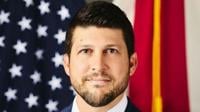


James Uthmeier
The seven Florida Supreme Court justices, five of whom were appointed by Gov. Ron DeSantis, pushed back against the executive branch by rejecting a proposal to streamline the appointment of out-of-state lawyers to state government posts.
The high court declined last month to approve a proposal by state Attorney General James Uthmeier to allow certain out-of-state attorneys to become members of the Florida State Bar for up to three years without taking the Florida bar exam and having to formally apply for admission to the bar.
Uthmeier and the Governor’s Office argued a change in rules to fast-track the appointment of out-of-state lawyers to state agency positions was needed due to attorney vacancy rates in state agencies that are as high as 55%, with an overall 35% vacancy rate..
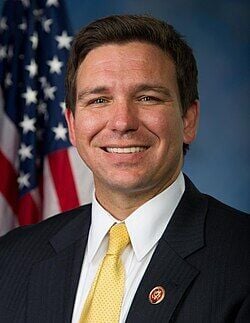
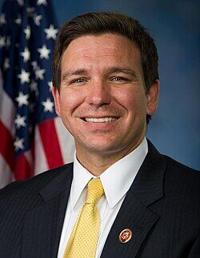
DeSantis
“Florida’s state government employers face significant headwinds when vying for the 80,761 active Florida-licensed attorneys living in the state,” the Governor’s Office said in comments filed with the court. “With salaries lower than those paid to comparable federal and local government attorneys (and considerably lower than private-sector pay), state government attorney positions often go unfilled.”
But the court sided with the Florida Bar’s arguments not to adopt the proposed new rules governing the bar, concluding that the existing provisions are adequate to deal with the state government’s employment situation.
“The court believes that the limited certification program currently outlined in rule 11-1.9, which requires a certified government lawyer to have applied for admission to the Florida Bar and to take the next available bar examination, strikes the appropriate balance between accommodating the government’s workforce needs and ensuring that those authorized to practice law in Florida possess the requisite knowledge of Florida law, technical skill and moral character to do so,” the court said.
The Florida Bar argued that Uthmeier’s proposal flies in the face of the state constitution’s separation of powers, which prohibits one branch of government from exercising the powers delegated to another without the constitution’s expressed authorization. But in a statement provided to the Florida Record, Uthmeier disagreed with the bar and said the state was desperate for high-quality lawyers to serve as prosecutors and consumer advocates.
“Instead of allowing (out-of-state attorneys) limited permission to temporarily practice under the supervision of top-ranking state counsel, the Florida Supreme Court again sided with the ultra-liberal Florida Bar to kneecap these outstanding attorneys and force them to first prematurely jump through unnecessary bureaucratic hoops,” he said. “This is elitist red tape that hurts Floridians. It negatively impacts public safety and corporate accountability.”
In comments to the court, the bar argued that the proposed rule change would improperly give the executive branch the authority to admit individuals seeking to practice law in the state. This bypasses the Florida Board of Bar Examiners’ role in evaluating the character and fitness of attorney candidates, according to the bar.
The proposal would have gone beyond allowing the executive branch to more readily secure representation of "sophisticated government clients,” according to the bar. It would have also included the hiring of public defenders, who are called on to represent individuals charged with crimes, as opposed to state agency clients, the bar argued.