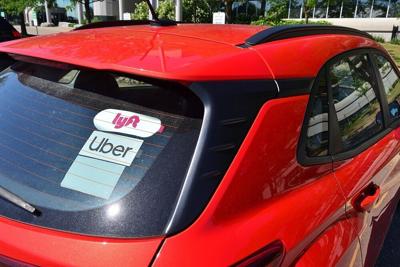



Ongoing Florida litigation alleges that inadequacies in Uber’s driver-screening process have led to sexual assault.
TAMPA — A Hillsborough County lawsuit alleging that deficiencies in Uber’s driver background checks led to the plaintiff being sexually assaulted is advancing toward trial amid a national debate about the rideshare company’s driver screenings.
In Jane Doe v. Uber Technologies Inc., which was filed in the 13th Judicial Circuit Court in 2023, the plaintiff argues that Uber hired driver Anthony Oliveras-Rivera even though he had previously been convicted of felony crimes.
Doe, who at the time of the incident was 20 years old, alleged Oliveras-Rivera sexually assaulted her after she became inebriated and separated from friends during an outing in Tampa. A Good Samaritan called for an Uber driver to pick up Doe and take her back to her hotel room, according to the lawsuit. DNA evidence later linked Oliveras-Rivera to the assault on Doe, the complaint said.
The trial proceedings have taken a number of turns. Last month, Judge Alissa Ellison rejected as legally insufficient a plaintiff motion to disqualify her from the case or seek her recusal. And in September, defendant Uber’s motion for summary judgment was granted in part – but only as to the plaintiff’s “vicarious liability claim” against the company based on a supposed employer-employee relationship.
“… Uber did not have control over the independent-contractor driver’s actions that were significant, and the agreement between Uber and the driver states that the independent contractor driver is not an agent …” Ellison said in a Sept. 12 order.
Earlier this summer, the plaintiffs’ attorneys alleged Uber withheld documents dealing with the company’s tracking and handling of assault allegations – and, in turn, obstructed the discovery process.
Uber stood by its background-check system in a statement emailed to the Florida Record.
“Sexual assault is a heinous crime, and we are constantly working to improve safety on the platform for all of our users, including by investing in innovative safety features, and robust screening processes,” an Uber spokesperson said.
The spokesperson went on to say that all potential drivers must pass a rigorous background check, including reviews of driving records and criminal activity, before their first fare.
“We know our work on safety is never done, and we remain steadfast in our commitment to building a platform with safety at its core,” the spokesman said.
The company maintains that serious incidents are exceedingly uncommon and that more than 99.9% of rideshare trips conclude safely.
While the lawsuit mentioned several of Oliveras-Rivera’s arrests and charges that were later dropped or dismissed, Uber looks for convictions and pending charges that fall within the time periods identified in Florida law.
The Hillsborough County court has also indicated that the circumstances in the case failed to give Uber any “notice of propensity (for violence by the driver).”
“There is no investigation that could have been done that would have made this injury foreseeable to Uber…” the judge said. “What is undisputed is that the driver did not have anything in his record that would have been discovered that would have resulted in his disqualification under the Florida statute when he applied. …”
The Miller & Zois law firm, however, points out that sexual assaults involving Uber drivers have become so numerous that many of them have been consolidated in multidistrict litigation (MDL) in federal court in the Northern District of California. More than 2,700 plaintiffs in 30 states have taken part in the MDL, the law firm reported.
And a New York Times story reported this month that from 2017 to 2024, the rideshare company received reports of sexual misconduct nearly every eight minutes in the United States.