



BATON ROUGE, La. — Louisiana Attorney General Liz Murrill’s office has sued pharmacy benefit manager Express Scripts and affiliate Ascent Health Services, alleging they conspired to suppress competition, inflated prescription-drug costs and harmed independent pharmacies and patients across the state.
The 66-page federal complaint, filed August 30 in U.S. District Court for the Eastern District of Louisiana, also alleges Express Scripts entered into an unlawful agreement with rival pharmacy benefit manager Prime Therapeutics to coordinate pharmacy reimbursement rates and fees. The state seeks damages, civil penalties, attorney fees and a court order barring the alleged conduct.

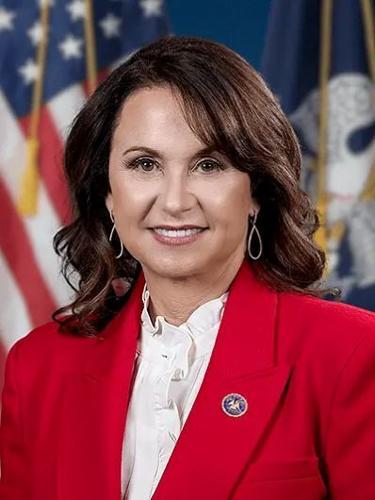
Murrill
“Louisiana families are working harder than ever to pay their bills, and they shouldn’t have to fight a profiteering middleman just to afford the medicine prescribed by their doctor,” Murrill said in a news release announcing the lawsuit. “PBMs have built a system where they can profit from higher drug prices, squeeze pharmacies in our communities, and limit choices available to patients.”
Pharmacy benefit managers, or PBMs, administer prescription drug benefits for insurers, employers and government health programs. They negotiate with manufacturers, set drug formularies, establish pharmacy networks and determine reimbursement rates paid to pharmacies.
The lawsuit alleges Express Scripts, which is the nation’s largest PBM, controls prescription-drug coverage, patient cost-sharing and pharmacy reimbursement for about 71% of Louisianians with commercial insurance. It further says Express Scripts held about 86.71% of Louisiana’s private PBM market in 2024 through its relationship with Blue Cross and Blue Shield of Louisiana and related entities.
Murrill’s office alleged Express Scripts and Ascent, a group purchasing organization affiliated with Express Scripts, used their market power to extract rebates, fees and other payments from drug manufacturers in exchange for formulary access. The complaint contends those arrangements encourage manufacturers to raise list prices and allow the companies to retain money that should have reduced costs for health plans and patients.
The state also accused Express Scripts of favoring costly brand-name drugs over less expensive generic alternatives when the brand drugs generate more rebate revenue, and of directing patients to pharmacies it owns or controls, including specialty and mail-order pharmacies.
“Patients deserve transparency,” Murrill said. “Pharmacists deserve a fair marketplace. And Louisiana families deserve to know that the healthcare system is working for them — not against them.”
Central to the suit is a 2019 collaboration between Express Scripts and Prime Therapeutics, another PBM. Louisiana alleged that the companies used the arrangement to coordinate reimbursement rates and fees imposed on independent pharmacies while increasing their collective bargaining leverage with drug manufacturers.
According to the complaint, Prime acquired a minority ownership interest in Ascent in December 2019. The companies subsequently announced Express Scripts would provide Prime services involving retail pharmacy networks and pharmaceutical-manufacturer contracts.
Louisiana characterized the arrangement as a horizontal price-fixing agreement, alleging Prime adopted Express Scripts’ pharmacy reimbursement rates and fees while retaining its other PBM operations, including claims processing and prior authorizations.
The complaint says the arrangement added roughly 28 million covered lives to the companies’ joint negotiating leverage and allowed them to demand larger manufacturer payments while paying pharmacies less. Express Scripts and Prime had described their collaboration as a way to provide more affordable care, according to the lawsuit.
Prime is not named as a defendant in the Louisiana action. The complaint refers to Prime as an alleged co-conspirator.
The lawsuit claims independent pharmacies have been forced to accept reimbursement rates that can fall below what they paid to acquire medications, along with fees, audits and retroactive payment recoupments known as clawbacks.
Pharmacies have little practical ability to reject Express Scripts’ contract terms because exclusion from its network could mean losing a substantial share of their customers, the state alleged. The complaint says the resulting financial strain has left independent pharmacies struggling to remain open, especially in rural and underserved communities.
Murrill’s office said in its release that the loss of independent pharmacies can undermine access to health care in communities that already have limited options.
The complaint alleges Express Scripts uses its ownership ties to specialty and mail-order pharmacies to steer patients from independent pharmacies. It says the company can favor its own outlets through network design, formulary decisions, coverage requirements and copays that make competing pharmacies more expensive for consumers.
The complaint also alleges Express Scripts and Ascent hid or reclassified manufacturer payments as fees rather than rebates, making it more difficult for health plans to determine whether negotiated savings were passed through. The state cited audits involving federal employee health plans as examples of alleged overcharges and retained rebates, but those audits were not Louisiana-specific.
Louisiana brought claims under the federal Sherman Antitrust Act and Clayton Antitrust Act, as well as the Louisiana Unfair Trade Practices Act and Louisiana Monopolies Act. The state is seeking treble damages for alleged injuries to Louisiana, its residents and businesses; injunctive relief; civil penalties; and attorney fees.