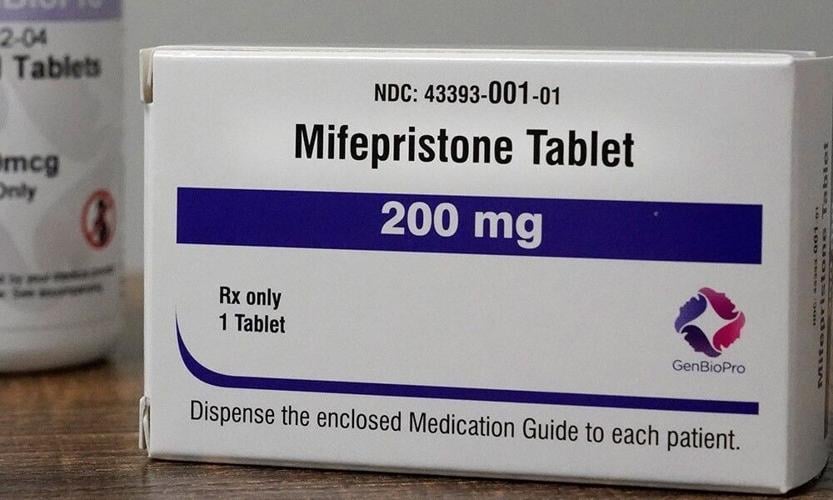
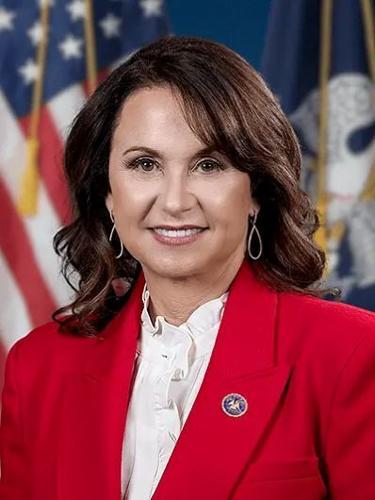


BATON ROUGE – Louisiana Attorney General Liz Murrill has joined a coalition of state AGs asking the U.S. Environmental Protection Agency to study the potential impact of the abortion drug mifepristone on America's waterways and drinking water supply.

Murrill
“Louisiana has been leading the fight against the dangers of mifepristone for years, Murrill said. “We’ve taken action to stop abortion drugs from being illegally shipped into our state and to hold abortion providers accountable for violating Louisiana law.
“As the use of mifepristone continues to increase, the EPA has a responsibility to investigate potential threats to our drinking water, and this drug should be added to the Contaminant Candidate List for further evaluation. Proud to join my fellow Attorneys General in this effort.”
As part of a 14-state coalition, Murrill is urging the EPA to add mifepristone and its generic equivalents to the agency’s Contaminant Candidate List, which may lead to additional study and potential regulation under the Safe Drinking Water Act.
Missouri AG Catherine Hanaway is leading the coalition.
“Over the last decade, the FDA has eliminated many of the protections that minimized the health risks posed by mifepristone and its approved generics, including the in-person dispensing and check-up requirements that kept medical staff involved in the process,” the June 5 letter states. “Not only were the FDA’s changes to the regimen and risk evaluation and mitigation strategy (REMS) unlawful and unsafe, but the loosened regulations have also increased the number of chemical abortions occurring in the home, resulting in tons of chemically tainted medical waste being flushed into American waterways.”
If mifepristone reaches sufficient concentration, the coalition says pregnant women who unintentionally ingest the drug through the public water supply could be at greater risk of health complications than the general population. In addition, recent research suggests that mifepristone can affect reproductive organ development and fertility.
Chemical abortions accounted for 63 percent of all U.S. abortions in the formal health care system as of 2023, compared to 31 percent in 2014 and 14 percent in 2005. These numbers do not include self-managed chemical abortions that occur when abortion providers mail mifepristone in violation of state law, which is also increasing.
In addition to Hanaway and Murrill, the other AGs who signed the letter are from Alabama, Alaska, Arkansas, Florida, Idaho, Indiana, Kansas, Kentucky, Nebraska, Oklahoma, South Carolina and Texas.