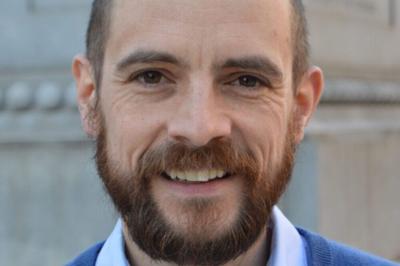



Abel Russ is director of EIP’s Center for Applied Environmental Science.
At least 65 carbon-capture projects have been proposed in Louisiana, the most of any other state, but the proliferation of such projects to address greenhouse gas pollution is fueling local opposition due to health and safety risks, a new report says.
The Feb. 11 report from the Environmental Integrity Project (EIP) found that the proposed carbon-capture infrastructure in the state, including 11 proposed carbon dioxide pipelines, has generated statewide opposition to these carbon-capture projects. The proposals aim to sequester millions of tons of CO2 generated by industrial plants underground in old oil drilling sites or geological formations.
The projects are concentrated in Cameron Parish and along the Mississippi River between Baton Rouge and New Orleans, according to the report.
“Residents in these parishes have good reason to be wary – because carbon capture is an untested technology with significant safety risks that has been used mostly to pump billions of dollars in taxpayer subsidies to the oil and gas industry,” Abel Russ, director of EIP’s Center for Applied Environmental Science, said in a prepared statement. “Because Louisiana is perforated with thousands of old oil and gas wells, it raises questions about potential leakage when companies inject their pollution underground.”
Trump administration officials said this month that previously enacted climate-change policies would have no impact on global warming, and the president himself has called climate change a hoax. But even so, in last year’s “One Big Beautiful Bill,” the administration increased carbon-capture subsidies for the oil industry substantially.
The oil industry, meanwhile, stands by carbon-capture technology as reliable.
“Carbon-capture projects are a dependable, proven technology and an effective tool for reducing greenhouse gas emissions while strengthening U.S. energy leadership and supporting economic growth,” a spokesperson for the American Petroleum Institute told the Louisiana Record in an email. “By advancing this innovative technology, Louisiana is demonstrating its commitment to engaging local communities and protecting the environment while moving toward a lower-carbon, more energy-secure future.”
The number of proposed carbon-capture projects under consideration in the state has also sparked litigation. In December, a landowner rights group, Save My Louisiana, filed a state lawsuit that challenges state laws supporting such projects. The group argues that the laws are unconstitutional because they improperly allow for “eminent domain and expropriation of private property” for carbon storage operators. The lawsuit also alleges due-process violations.
In addition, last fall Gov. Jeff Landry put in place a moratorium on new applications for carbon-capture projects in the wake of landowners’ and farmers’ concerns about safety and health risks of pipelines and other facilities. The moratorium does not affect projects that have already gained approval, however.
The EIP report contends that carbon-capture technologies do not guarantee long-term success for keeping pollutants underground. In addition, some carbon-capture projects use CO2 to push out more oil from older wells, meaning that although some CO2 will be captured, the recovered oil will eventually be burned and generate more CO2 in the atmosphere, according to the study.
The report also points to the release of an invisible cloud of CO2 in 2023 along a pipeline in Sataria, Miss., that disabled car engines and led to asphyxiation incidents. Forty-five people required hospitalization in the wake of the leak, according to EIP.
About 13,000 old, abandoned Louisiana wells are located above rock formations that could be used for carbon sequestration, but critics question whether CO2 buried in such formations could leak over time, the study says.
A blog post from the Sabin Center for Climate Law Change argues that improved engagement by project developers with local communities could help to advance carbon-storage projects, but developers seem reluctant to pursue such strategies.
“Overall, the outlook for carbon capture, removal and storage in Louisiana seems fairly grim,” the post concludes.