
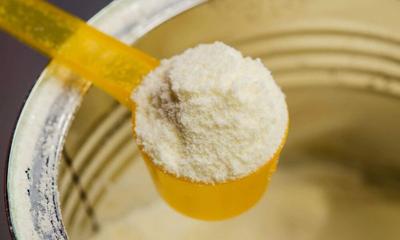


LAKE COUNTY, ILLINOIS — Abbott Laboratories has agreed to pay $670 million to end 2,000 lawsuits brought by parents who claim their children were harmed or died after drinking Abbott's Similac-brand baby formula.
The settlement, announced Aug. 20, will include a Missouri case in which a St. Louis jury had ordered Abbott to pay one family $495 million.
In announcing the settlement, Abbott appeared to concede the deal marked a large sum to pay, particularly when the company had indicated it would contest the claims, had met with some success in court, and still faces nearly identical claims from thousands more families.
But the company said it believed the settlement marked a less costly and quicker exit from the threat posed amid continued appeals over the St. Louis case. After Abbott lost its first appeal in that case, the company said it faced a possible payout exceeding $600 million for that case alone.
The settlement, however, would allow the company to exit lawsuits lodged on behalf of about 2,000 other families, for less than $100 million more, Abbott said.
The company indicated the settlement would involve claims lodged by three law firms. Abbott's release does not identify which law firms will be included in the deal.
In the St. Louis case, lawyers from the firm of TorHoerman Law, of St. Louis, represented plaintiff Margo Gill, who had sued over injuries to her daughter, Robynn.
TorHoerman Law did not respond to a message from Legal Newsline and The Record seeking comment concerning the settlement, and if the deal involved more of their firm's baby formula lawsuits beyond the Gill case.
The settlement comes as yet another significant point in the long-running and sprawling litigation against the country's two largest makers of infant formula, Abbott and its leading rival, Mead Johnson & Co., the maker of Enfamil-brand formula.
In those lawsuits, the plaintiffs accuse the companies of allegedly selling baby formula, including under the Similac and Enfamil brand names, despite allegedly knowing consumption of their cow's milk-based formulas increases the risk of babies suffering severe injuries or dying from the illness known as necrotizing enterocolitis, or NEC.
NEC is a condition which results in the death of bowel tissue and can lead to severe illness and death in newborns, particularly if they are born premature. NEC carries a fatality rate of around 15-40% in infants suffering from the condition.
The lawsuits have poured into courts by the thousands in state and federal courts throughout the U.S.
Specifically, they typically accuse the companies of allegedly failing to warn the public about the alleged enhanced NEC risks posed by the baby formulas, compared to human breast milk.
Hundreds of those lawsuits are pending in Illinois state court in Madison and St. Clair county courts, while more than 750 more lawsuits have been consolidated in federal court in Chicago.
Other formula lawsuits remain pending in other jurisdictions, as well, including in St. Louis County.
Following the new $670 million settlement, Abbott said it still faces about 1,700 lawsuits nationwide on behalf of about 12,700 individual children allegedly harmed by their products.
Some of the claims have gone to trial in recent years.
In the Gill case, for instance, the St. Louis jury delivered its verdict in late 2024. Abbott appealed, but a Missouri state appeals court denied the appeal.
Then, on Aug. 11, a Missouri appeals court also ordered a new trial in a formula NEC case Abbott and Mead Johnson had won, potentially setting the companies up for another big jury verdict.
In the meantime, Mead Johnson will be forced to face the first trial in the federal consolidated action, as a Chicago federal judge said the company must face accusations that it could have replaced its cow's milk-based formula with a different formulation that is allegedly safer for preterm infants.
Prior to the judge's decision to allow that trial to proceed, the formula makers had prevailed in bringing an end to several other cases, in which the same federal judge had ruled plaintiffs needed to do more than just claim the baby formula presented a risk to preterm infants. In those decisions, the judge noted there is no viable alternative to the baby formula currently on the market, so the alternative would be starving the babies, which the judge noted was unacceptable.
Throughout the litigation, the formula makers have repeatedly warned the courts that allowing the litigation to proceed and extracting potentially billions of dollars in lawsuit payouts from the companies would reduce access to "vital" baby formulas, particularly needed for preterm infants whose mothers cannot produce enough breast milk to feed the child.
The companies have pointed to court documents in which health care providers, medical organizations and others have warned the courts that the medical community shares those concerns.
In a brief filed Aug. 7 at the U.S. Supreme Court by the American Academy of Pediatricians; the North American Society for Pediatric Gastroenterology, Hepatology and Nutrition; National Association of Pediatric Nurse Practitioners; Perinatal Research Society; Children's Hospitals Neonatal Consortium; and March of Dimes, those groups said:
"The substantial verdicts already entered in other cases, together with the thousands of similar claims now pending, pose a grave threat to the preterm formula supply. Should that supply diminish or be withdrawn, neonatologists and pediatric clinicians would lose an essential instrument of care and with foreseeable consequences: increased infant mortality, impaired neurological development, and permanent degradation of the standard of care for the Nation's most vulnerable patients."
Courts, however, have allowed the lawsuits to continue.
Despite the new settlement, Abbott said it continues to deny liability over the infant NEC claims and "stands by the safety of these products and the essential role they play in helping the medical community care for preterm infants."
"The Food and Drug Administration, National Institutes of Health, Centers for Disease Control and Prevention, American Academy of Pediatrics, NEC Society, neonatologists and other medical professionals recognize that these products are safe and necessary, and that there is no reliable scientific evidence that they cause NEC," Abbott added.