
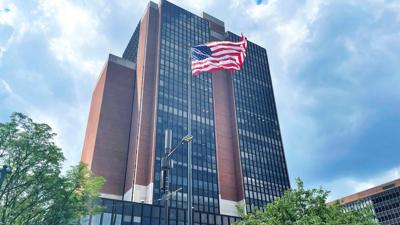


James A. Byrne U.S. Courthouse in Philadelphia
PHILADELPHIA – Parents against a lottery Philadelphia uses to pick students for “criteria-based” high schools have won their appeal of a decision that tossed their lawsuit.
A factfinder must decide whether the admissions policy had a “discriminatory purpose and impact,” Judge Thomas Hardiman of the U.S. Court of Appeals for the Third Circuit wrote Monday. The decision is a win for Sherice Sargent and other plaintiffs claiming race-based discrimination was the result of changes Philadelphia made in 2021.
Those changes provided for a computerized lottery that featured a preference for students in six Philadelphia zip codes, of which the highest white population is 44.7%. It also increased the percentage of Black and Latino students selected to attend these schools from 33.8% to 52%.
“School District officials made public and private statements—both before and after the enactment of the Admissions Policy—that could support a finding that the Policy was intended to alter (and did alter) the racial makeup of the schools,” Hardiman wrote.
“So a reasonable factfinder could conclude that the School District acted with a discriminatory purpose.”
The lawsuit concerned four criteria-based high schools: Academy at Palumbo, George Washington Carver High School of Engineering and Science, Central High School and Julia R. Masterman High School.
Previously, each school employed its own admissions team that reviewed applications. This allegedly led to unqualified students gaining admission at the expense of other qualified students who lived in six zip codes.
When the lottery was instituted, only qualified applicants were entered. Any qualified student of any race that applied to any of the four high schools would automatically be admitted, while the standards for those schools were increased.
The plaintiffs are parents of students who did not receive admission into their preferred school. They pointed at the minority admissions goals outlined in the changes.
Judge Chad Kenney had found that no jury could find the zip code preference was implemented to benefit any specific racial group. Philadelphia claims to have not known the demographics of those zip codes.
Those zip codes were selected because they had the lowest percentage of students enrolled at the four high schools from 2017-21.