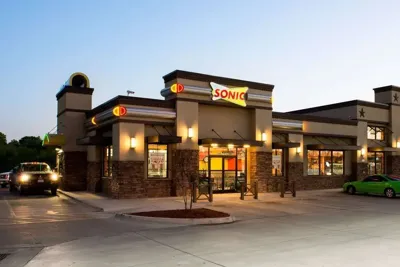


Sonic Drive-In
HOUSTON - A city employee who gets in a car wreck while making a pit stop for fast food is not acting within the course and scope of their employment.
Court records show Shamaka T. Barfield was a passenger on a METRO bus when a City of Houston public works environmental investigator collided with the bus and allegedly injured her.
Alleging negligence, Barfield sued the city under the Texas Tort Claims Act, claiming the employee was acting in the course and scope of her employment when the accident occurred.
According to Barfield, the bus she was riding on was traveling west on Washington Avenue while the city employee was traveling east on the same street on her way back to her office after completing a site inspection.
Before returning to work, the employee decided to stop at Sonic to buy a drink. She made a left turn in front of the bus into the driveway of the Sonic and collided with the bus. Barfield alleges both the employee and the driver of the bus were negligent.
In response to the suit, the city filed a traditional motion for summary judgment based on governmental immunity, arguing that the employee was not acting within the scope of her employment when the accident occurred because she was “driving on a detour to get a drink at Sonic and thus would have been on a break.”
Barfield did not file a response to the summary judgment motion or object to the summary judgment evidence, court records show.
The trial court denied summary judgment and the appeal followed.
On appeal, the city argued that it retained its governmental immunity from Barfield’s TTCA claim because the employee was not acting in the scope of employment when the accident occurred.
The First Court of Appeals agreed in a May 28 opinion, reversing the ruling and rendering judgment granting the city’s motion for summary judgment and dismissing Barfield’s claims for lack of jurisdiction.
“Barfield did not file a response to the city’s motion or present any evidence raising a fact issue on course and scope,” the opinion states. “Thus, taking as true all evidence favorable to Barfield and indulging every reasonable inference and resolving any doubts in her favor, as we must, we hold that the evidence failed to raise a genuine issue of material fact as to whether (the employee) was acting within the course and scope of her employment at the time of the accident.”
Appeals case No. 01-25-00467-CV