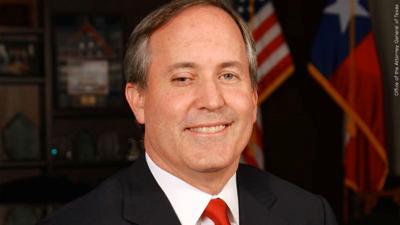



AUSTIN — Texas Attorney General Ken Paxton has secured a $45 million multistate settlement with Block, Inc., the company behind the popular payment app Cash App.
Cash App allows users to transfer money to other users.
The settlement resolves allegations that the company misled consumers about the safety of its platform and failed to provide protection and resolution from fraud as marketed and required by law.
According to the Office of the Attorney General, the company aggressively promoted direct deposit of paychecks and government benefits into Cash App for years, specifically targeting consumers who would come to rely on the app as their primary financial account.
Paxton co-led the multistate investigation into Cash App, which was joined by 45 other states. The investigation found that Cash App marketed its platform as a safe, bank-like alternative, which was done despite fraud on the app rising sharply and its consumer protections failing to keep pace with those in the broader banking industry.
Lax verification standards, a years-long absence of phone support, and deceptive social media promotions left users exposed to scammers. Nevertheless, Cash App delayed internal fraud investigations and set unwarranted account lockouts which left victims with no way to recover stolen funds. Cash App failed to investigate unauthorized transactions and failed to issue refunds as required by law, according to the OAG.
Now, under the settlement, Cash App must maintain 24-hour customer support and cease misleading safety claims. The company will also discontinue marketing practices known to increase fraud and will fulfill its legal duty to investigate and reimburse users for certain unauthorized transactions.
“When Texans trust a financial platform with their paychecks, savings, and family’s security, they deserve to be fully protected as promised. I will make sure that they are,” said Paxton. “This settlement ensures that Texans who were harmed can recover what they are owed. It sends the clear and unmistakable message that exploiting consumers is not a business strategy — it’s a liability.”
Texas will receive nearly $5 million of the $45 million as part of the settlement.