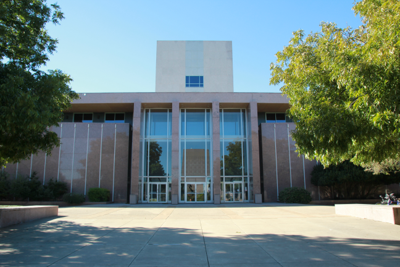


Texas Supreme Court
AUSTIN - The Texas Supreme Court denied Shell Chemical’s petition and emergency motion to stay a judgment in a worker’s compensation case.
Court records show that Shell, along with BrandSafway, filed a petition for a writ of mandamus asking the high court to direct a lower court to withdraw orders denying the company summary judgment.
In their petition, the companies asked the Supreme Court to grant them summary judgment because of the exclusive-remedy provision of the Workers’ Compensation Act, stating that benefits have already been provided to Francisco Orozco Garcia under a rolling contractor insurance program sponsored by Shell, and in which Garcia and BrandSafway participated.
The companies asked whether an injured employee can maintain a claim against statutory employers and co-employees after receiving more than $250,000 in workers’ compensation benefits despite the Texas Workers’ Compensation Act’s exclusive-remedy provision.
“Opposing (Shell and BrandSafway) at every step, Garcia has consistently raised the same arguments regarding his exclusive remedy already rejected by courts across Texas, with one twist—he insists his belated and cursory pleading of an alleged ‘intentional tort’ defeats the exclusive-remedy bar and requires a protracted trial not only on that claim but also his negligence, gross negligence, and premises liability claims against (Shell and BrandSafway),” the petition states.
The companies argue that Garcia’s “vaguely pleaded intentional tort” claims do not satisfy the Supreme Court’s strict requirements, and the elements of any intentional act claim he asserted were challenged in the motions already on file.
“Texas law makes workers’ compensation benefits Garcia’s exclusive remedy,” the petition states. “Nevertheless, the trial court denied summary judgment and (the companies) are now forced to prepare for and participate in a costly and ultimately pointless trial …”
The companies argued they established immunity because the summary judgment record conclusively proves the existence of “a written agreement under which the general contractor provides workers’ compensation insurance coverage to the subcontractor and the employees of the subcontractor” and “that coverage was provided.”
The law firm of Wright Close Barger & Guzman represents them.
Case No. 26-0001