

Protopapas
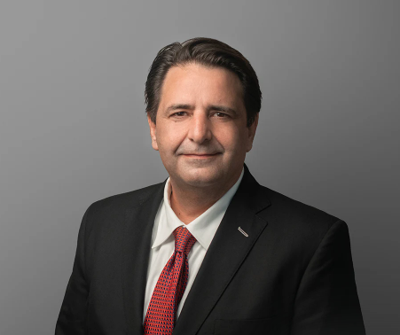
COLUMBIA, S.C. - A private lawyer who has used South Carolina’s asbestos court to make millions of dollars by assuming control over long-defunct companies may find his livelihood trimmed if the state Supreme Court rules against him following a key hearing tomorrow.
At that hearing, a U.K. company will argue Peter Protopapas has no business interfering in its business and Judge Jean H. Toal, who appointed him as its receiver, has exceeded her powers under the law. Protopapas’ stature expands beyond the asbestos court, as he serves on a panel that selects candidates for judicial openings - including challengers to Chief Justice John Few’s seat this year.
Judge Toal started appointing Protopapas to collect money from decades-old insurance policies issued to failed companies with the idea that money would compensate asbestos plaintiffs, but she has steadily expanded her practice to include solvent companies and, in the case of the Cape Industries unit of Altrad Group, a U.K. firm with no assets or business in South Carolina.
The state Supreme Court will hear arguments on whether Judge Toal has jurisdiction over Cape, whether a U.K. court ruling from the early 1990s protects Cape from U.S. asbestos suits and whether a settlement between Cape and Altrad prevents Protopapas from suing Cape’s corporate parent in its name.
Altrad and Cape have gotten a hostile reception from the South Carolina Supreme Court in the past, including an opinion in which the justices called a U.K. court decision in Altrad’s favor “shocking to American eyes.” But Altrad cites South Carolina law to argue Toal has twisted the receivership process to allow Protopapas to mount open-ended searches for cash when the Supreme Court has ruled he can only be appointed to collect money on behalf of a specific plaintiff.
Judge Toal appointed Protopapas receiver over Altrad’s Cape unit, which mined asbestos in South Africa until the 1980s, after the company refused to show up in court. The judge appointed him in the name of a plaintiff named Park suing over his mother’s death, but Altrad argues the estate’s litigation was wrapped up months before the appointment.
Judge Toal then extended Protopapas’s receivership to the case of another plaintiff named Tibbs, even though Tibbs hadn’t requested a receiver and may have also settled their litigation.
Altrad argues South Carolina law and precedent prohibit the judge from appointing a receiver without an underlying judgment to collect, and without giving the defendant the opportunity to post a bond instead.
Tomorrow’s hearing will test whether Judge Toal, a former chief justice of the state Supreme Court, has been violating the law by giving Protopapas license to collect money on behalf of present and future asbestos plaintiffs. Protopapas, himself a personal injury lawyer, has been placing the money in Delaware trusts to be dispensed as he wishes, after collecting his own 33% fee.
Records related to the trust are filed under seal.
Last year, Justice Few was among a unanimous majority that pushed back at the receivership arrangement. A May ruling affirmed Protopapas’ control over one company but said “it is an extraordinary remedy reserved for the most extraordinary cases. It is not to be used in the typical default case.”
Companies fighting Protopapas are taking this to mean he should not be allowed to take control of dead companies, especially when there has been no judgment against them. This and other issues in the asbestos court often kick up to the state’s appellate courts.
To justify Protopapas’ receivership over Cape, Toal cited the company’s “moral fraud” in selling asbestos then avoiding U.S. courts.
Though the asbestos court has its critics nationwide, the U.S. Supreme Court last month declined to intervene when companies argued they weren’t subject to the jurisdiction of South Carolina.