


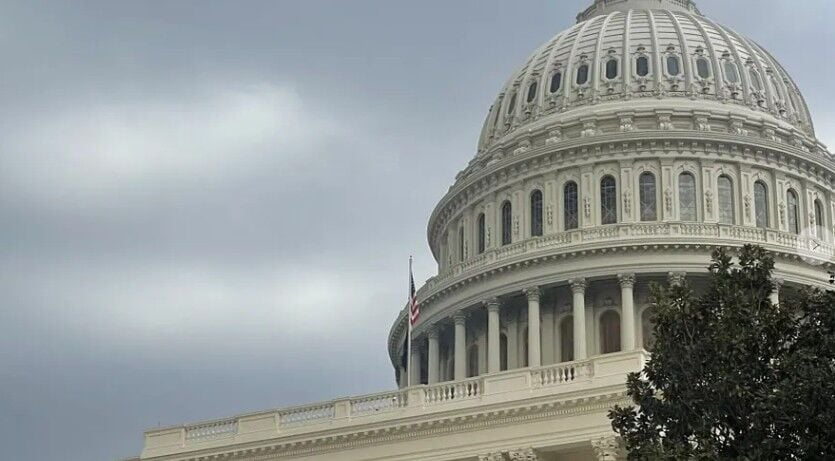
U.S. Capitol Dome in Washington
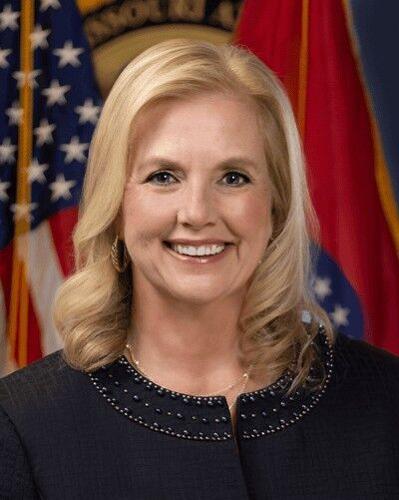
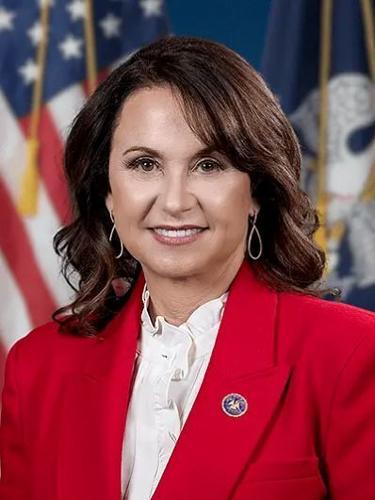
JEFFERSON CITY — Missouri Attorney General Catherine Hanaway and Louisiana Attorney General Liz Murrill are leading a coalition of 35 states urging the U.S. Senate to pass legislation intended to stabilize funding for programs that provide services to crime victims.
In a letter dated October 8 to the U.S. Senate Committee on the Judiciary, the attorneys general expressed support for H.R. 909, the Crime Victims Fund Stabilization Act of 2025, and called for its swift passage.
The legislation would redirect unobligated funds collected under the False Claims Act into the Crime Victims Fund to establish a more predictable source of funding for victim services through fiscal year 2029.
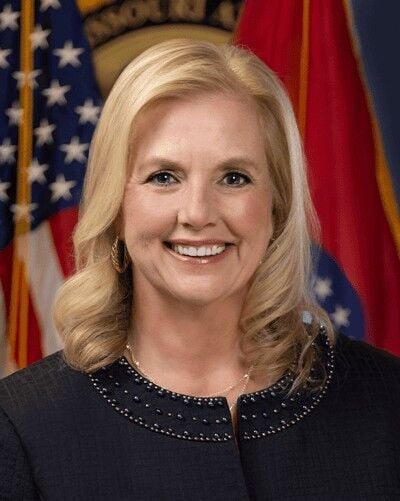
Hanaway

Murrill
The coalition warned that continued instability in funding could leave victim service programs without the resources needed to assist victims and survivors, particularly in rural and low-income communities.
“This legislation is about ensuring victims aren’t abandoned when they need help most. Without this action, many victim service programs simply won’t be able to keep their doors open,” Hanaway said in a statement. “That means real people, especially in rural areas, won’t receive the medical, emotional, or legal support they desperately need.”
The letter states that the Victims of Crime Act of 1984 (VOCA) provides essential services to individuals and families affected by crime.
Those services include medical care, mental health counseling, compensation for lost wages, courtroom advocacy and temporary housing.
VOCA also supports discretionary grant programs, victim specialists within certain agencies and other initiatives intended to benefit crime victims.
The programs assist people affected by child abuse, domestic violence, sexual assault, elder abuse and other violent crimes.
According to the attorneys general, VOCA funding is sustained through monetary penalties associated with federal criminal convictions and certain deferred and non-prosecution agreements.
Those penalties are deposited into the Crime Victims Fund, from which Congress determines annual disbursements through the appropriations process.
However, the letter states that the frequency and value of federal prosecutions and their associated fines are inherently inconsistent.
Deposits into the fund have declined in recent years even as demand for victim services has continued to increase, leaving the fund without a dependable financial base.
Congress previously took action to address the issue in 2021 by enacting the VOCA Fix to Sustain the Crime Victims Fund Act, a bipartisan, bicameral measure that requires monetary penalties from federal deferred prosecution and non-prosecution agreements to be deposited into the fund.
Although the 2021 legislation represented progress, the attorneys general said receipts from those agreements have fallen below historical levels and the fund has not recovered sufficiently to meet nationwide needs.
The Crime Victims Fund Stabilization Act of 2025 is intended to address that shortfall by redirecting unobligated funds collected under the False Claims Act.
The penalties are assessed against individuals and entities that defraud government programs.
According to the letter, redirecting those funds would provide a predictable and sustainable funding stream for the Crime Victims Fund through fiscal year 2029.
The attorneys general cautioned that a lack of stable funding could have significant consequences for programs serving victims, with smaller organizations and those operating in rural and low-income communities facing the most severe effects.
Without action, the coalition warned, a potentially large number of victims could lose access to services that are essential to their safety and well-being.
The letter said the consequences would affect not only victims and their families but also communities throughout the country.
The attorneys general emphasized that their offices have a direct role in administering VOCA-funded programs and that inadequate resources could prevent them from providing appropriate services to victims and survivors.
“Without a consistent funding source, some of our offices—which are directly responsible for administering VOCA-funded programs—may not have the resources necessary to provide adequate services to victims and survivors,” the letter states. “That is a risk our states cannot accept.”
The letter also notes that H.R. 909 passed the U.S. House of Representatives unanimously and had 328 cosponsors, which the attorneys general cited as evidence of the importance of VOCA and its associated programs.
The coalition asked members of the Senate Judiciary Committee to support the legislation and move it forward promptly, arguing that victims and survivors need a dependable mechanism to sustain services funded through VOCA.
In addition to Hanaway and Murrill, attorneys general from Alabama, Alaska, Arkansas, California, Colorado, Florida, Georgia, Iowa, Kansas, Kentucky, Maine, Massachusetts, Michigan, Minnesota, Mississippi, Nebraska, Nevada, New Jersey, New York, North Carolina, North Dakota, Ohio, Oregon, Pennsylvania, Rhode Island, South Dakota, Tennessee, Texas, Utah, Vermont, Washington, West Virginia and Wyoming signed the letter
The letter was addressed to the chairman, ranking member and members of the U.S. Senate Committee on the Judiciary. The attorneys general also copied U.S. Senate leadership and Todd Blanche.