


TikTok
CHARLESTON — West Virginia Attorney General J.B. McCuskey’s office has filed a lawsuit against TikTok, alleging the company violated numerous West Virginia consumer protection laws through the design and operation of its app, ultimately harming kids.
McCuskey says TikTok created a platform that puts West Virginia kids at risk by encouraging continuous use, targeting younger users with its recommendation systems that select what content children see, and failing to disclose safety gaps to parents and caregivers.
The Consumer Protection Division of the Attorney General’s Office conducted testing using one account registered to an adult and another to a 13-year-old girl. The testing identified notable differences in the content delivered to each account: the child account repeatedly received sexually suggestive content while the adult account largely received content focused on ordinary interests such as home improvement and local restaurants.

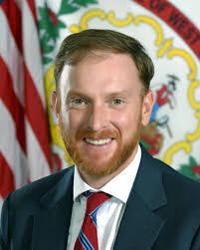
McCuskey
“TikTok knowingly designed its app to keep young teens engaged for as long as possible while failing to put appropriate safeguards in place for underage users,” McCuskey said. “West Virginia parents should not have to compete with an algorithm built to keep their kids scrolling, while targeting them with sexualized content.
“TikTok left critical safety vulnerabilities unaddressed and put growth of the app ahead of children’s safety. I am filing this lawsuit to hold them accountable and to demand protections for West Virginia kids.”
The lawsuit, filed October 29 in Kanawha Circuit Court, alleges the platform’s features make children discoverable and reachable, exposing children to predators. Information publicly available through a user’s social media presence can equip a predator to impersonate a peer or peer’s friend, manufacture familiarity and gain the child’s trust before a parent is even aware contact has occurred.
The complaint points to a West Virginia University study involving TikTok’s mental health risks for West Virginia children. Researchers found that more frequent TikTok use was associated with more depressive symptoms.
National research correlates adverse childhood experiences — including household substance use — to persistent sadness or hopelessness including suicide risk among teenagers.
The AG’s office says this is “especially concerning” in West Virginia, which had the nation’s highest estimated rate of children affected by opioid use in 2017. WVU’s research cited more depressive symptoms for teens who felt worse about themselves when comparing their own lives to the idealized versions of their friends’ lives portrayed on social media.
“Parents have a responsibility to monitor what their kids are doing online, absolutely,” McCuskey said. “But they are cut off at the knees when companies like TikTok do nothing to close safety loopholes and conceal risks of their platform from parents.”
The lawsuit is the latest legal action taken by the AG’s office to hold tech companies accountable for youth safety.
Earlier this month, the office sued OpenAI for its dangerous design. West Virginia was one of several states involved in a historic settlement with Meta, prompting significant safety changes for teen accounts on Instagram and Facebook and earlier this year, West Virginia reached a settlement with Roblox that involved safety changes to that platform as well as funding for safety education specifically for West Virginia parents, teachers and children.
In the new complaint, the AG’s office is seeking restitution, disgorgement of ill-gotten gains, civil penalties, attorney fees and costs, injunctive relief requiring TikTok to implement effective child predator detection measures and protections as well as other equitable remedies mandating safer product design going forward.
The case has been assigned to Circuit Judge Richard D. Lindsay.
Kanawha Circuit Court case number 26-C-1310