

Florida Gov. Ron DeSantis
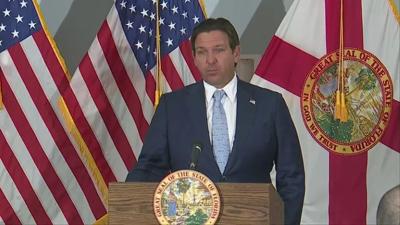
TALLAHASSEE, Florida – Gov. Ron DeSantis has vetoed a bill that would have increased caps on the recovery of awards against a government entity.
“HB 145 imposes new costs on taxpayers by increasing the damage caps awarded in lawsuits against local government entities,” DeSantis wrote in his June 30 veto letter. “Florida law already provides a well-established and thoughtful claims bill process to review and ultimately determine if a judgment above the statutory limits should be awarded.
“For these reasons, I withhold my approval of HB 145 and do hereby veto the same.”
The sovereign immunity bill would have helped people suing state and local government bodies by increasing the number of “unmeritorious” damages lawsuits and ballooning local government costs.
“I have no question, no doubt that that would happen, so we’ll veto that,” DeSantis say the day before during a press conference where he signed the 2026-27 fiscal year budget and tax reduction bill. “And also just with the local government property tax argument … why would I want to impose more burdens on them?”
HB 145 was sponsored by Rep. Fiona McFarland (R-Sarasota). It would have increased the amount government entities could have to pay residents in injury lawsuits. The damages caps, last raised in 2010, currently are set at $200,000 per individual and $300,000 per incident. The legislation would have increased the caps to $350,000 per individual and $500,000 per incident.
The Florida Justice Reform Institute opposed the bill. It said the bill would have increased taxes because local governments either would have been forced to raise taxes or cut services to absorb the costs of the cap increases.
“While the bill’s proponents have characterized it as a measured update to Florida’s sovereign immunity framework, in actuality the legislation will function as a hidden tax increase on Florida’s families and businesses, will invite a surge of litigation against government entities and is wholly unnecessary given existing mechanisms for compensating plaintiffs injured by governmental entities and employees,” FJRI President William Large wrote in April to DeSantis urging the veto. “HB 145 is a tax increase. … HB 145 will increase litigation. … HB 145 will increase health care costs.
In a letter dated June 9, the FJRI also highlighted how HB 145 was passed before lawmakers understood how pressing property tax reform would soon have on local governments and their ability to absorb the additional caps while also adjusting to the new fiscal constraints under Amendment 3 if it were to pass.
On June 2, the Legislature passed House Joint Resolution 1-F, which proposes a constitutional amendment to increase the exemption for homestead property to $250,000 over two years. The amendment is set to appear on the November 2026 ballot and, if approved, would reduce the non-school tax revenues available to cities and counties over time.
“HB 145 was passed before the Legislature knew there would be a special session on tax reform,” Large wrote last month. “We do not believe the Legislature understood, when it passed HB 145, how pressing tax reform would soon become for local governments.
“That new fiscal context matters. Whatever the merits of HB 145 in isolation, now is not the time to increase sovereign immunity limits as cities and counties attempt to absorb the impacts of tax reform that will reduce their coffers.”
The bill was supported by the Florida Justice Association, a statewide group of trial attorneys.
“Every year, Floridians lose mothers, fathers, husbands, wives and children or suffer life-altering injuries because of government negligence,” FJA President Chris Ligori said in a statement. “Under the current system, it takes years and in some cases over a decade for them to receive compensation. Additionally, schools and school boards who harbor child molesters get off with inadequate accountability to victims. This causes even more hardship for them.
“Today’s veto has shown that once again, insurance companies have prevailed over Florida families who simply want accountability when the negligence of government employees causes them serious harm.”