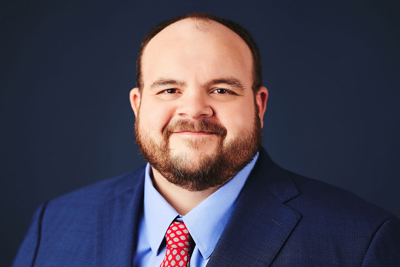



Florida Insurance Commissioner Mike Yaworsky
The property insurance industry and Florida regulators are pushing back against data and conclusions in a 2022 analysis of industry profits published by media outlets that tracked shifts in financial gains to sibling companies.
The analysis, which was commissioned by the Florida Office of Insurance Regulation (FLOIR) and titled “Affiliated Fee Analysis,” was obtained through a public records request to the state Senate. The Orlando Sentinel and Sun Sentinel published the report last month even though the Senate later called its release inadvertent and said the report contained “sensitive, proprietary trade secrets.”
The state’s insurance commissioner, Mike Yaworsky, has called the analysis’ data and conclusions outdated and flawed. The report looked at the period 2017 to 2019, concluding that insurers in the state claimed $432 million in losses for those years but paid fees to their affiliate companies amounting to $1.3 billion.
The consultant who authored the analysis concluded that 20 insurers were not paying affiliates a rate that could be considered fair and reasonable. Consumer advocates have accused the industry of “crying poverty” during that time period in order to raise rates for policyholders.
From 2021 to 2025, Floridians saw overall property insurance rate increases of 75%, according to a recent report from the Coalition for an Insurable Future.
Chase Mitchell, assistant vice president of state government relations at the American Property Casualty Insurance Association (APCIA), said the Florida Office of Insurance Regulation (FLOIR) warned that the 2022 analysis cannot be relied upon as accurate.
“Under Florida law, affiliated service agreements are required to be filed with and reviewed by the FLOIR to ensure the agreements do not adversely affect the interests of policyholders,” Mitchell said in a statement emailed to the Florida Record.
The state endured multiple years of underwriting losses as a result of out-of-control legal system abuses and major hurricanes, he said.
“Policyholders faced rising insurance costs and reduced availability of coverage as a result,” Mitchell said. “Since the Florida Legislature implemented reforms to address legal system abuse in 2022-2023, the market has made an incredible turnaround, and we continue to see signs of forward progress with more rate decreases being announced just in the last two weeks.”
APCIA points out that FLOIR last month approved rate decreases – some amounting to more than 10% – for 62,000 homeowner policies and that further rate decreases of nearly 20% are now under review.
Also in September, APCIA released an actuarial study concluding that Florida policyholders paid out nearly $3 billion less in home and auto insurance premiums last year compared to 2024. Overall, the level of rate increases for property insurance has been in decline since 2023, the study found, and at the same time 20 new insurers have entered the Florida market, providing increased competition for customers.
An S&P Global report found that the Florida market last year had the most stable rates in the nation. Nationally, the weighted average premium increase was 5.5%, while Florida was the only state with a decrease – 0.92%.
Insurance industry officials have stressed that the turnaround in Florida insurance rates corresponds with the Legislature’s passage of legal reforms limiting damages awards and attorney fees in 2022-2023.
“The Florida insurance market is in its strongest position in years, and with a quiet 2026 Atlantic hurricane season nearly behind us, we anticipate that the market will continue trending in a positive direction with more policyholders experiencing lower costs,” Mitchell said.