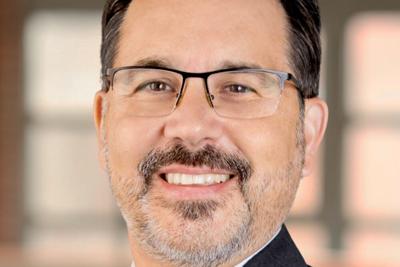



Burke Kappler, director of the CCIA Litigation Center, said Florida taxpayers will foot the bill for the years of litigation over Senate Bill 7072.
The legality of a 2021 Florida statute that bars large social media companies from deplatforming political candidates remains in limbo after a federal district court last week set a formal trial date to decide the matter in the fall.
In a June 18 decision, Judge Robert L. Hinkle of the Northern District of Florida denied requests by two tech trade-association plaintiffs – NetChoice and the Computer and Communications Industry Association (CCIA) – for summary judgment in the case. Hinkle set a trial date for Sept. 8.
The Florida law, Senate Bill 7072, included provisions restricting how social media companies such as Facebook and YouTube moderate their content and also allowed for civil lawsuits to be filed against large social media companies that violate the law. But the statute remains unenforced as a result of a court injunction imposed five years ago.
Tech companies argue the measure is unconstitutional because it violates their First Amendment rights. The dispute reached the U.S. Supreme Court in 2024, when justices kicked the case back to lower courts for not fully adjudicating all the law’s potential impacts.
“The legislation compels platforms to host speech that violates their standards – speech they otherwise would not host – and forbids platforms from speaking as they otherwise would,” Hinkle said in last week’s ruling. “... The United States Supreme Court made clear, on review of a preliminary injunction in this very case, that the legislation is unconstitutional in substantial respects.”
But he also concluded that in the wake of the Supreme Court’s 2024 decision, the record does not yet establish that the plaintiffs can prevail in such a “quasi-facial claim” – that is, demonstrate that the statute is unconstitutional in nearly all circumstances.
In a statement, NetChoice said the decision reaffirms constitutional principles that have protected internet speech and tech companies’ ability to moderate the content on their platforms.
“Florida’s central argument was that the First Amendment simply does not apply to websites’ editorial decisions,” Paul Taske, director of the NetChoice Litigation Center, said on June 18. “That argument did not survive today. We would have preferred to end this at summary judgment after five years of litigation, but we go to trial with full confidence that a full record will only make the constitutional problems with SB 7072 clearer.”
In a statement emailed to the Florida Record, Burke Kappler, director of the CCIA Litigation Center, also expressed disappointment that the litigation will continue for additional months.
“The Supreme Court has made it clear that the government cannot compel dissemination of speech online under the First Amendment,” Kappler said. “It seems clear where this law is destined to end up, but the path to getting it blocked may be longer. That is unfortunate for Florida taxpayers.”
In NetChoice’s view, Hinkle’s decision demonstrates that the social media platforms’ “mixed curation,” which combines the use of algorithms with editorial standards established by humans, is subject to First Amendment protections.
The defendants, Attorney General James Uthmeier and members of the Florida Elections Commission, have argued that the First Amendment does not apply because the platforms decide what content to show viewers based mostly on algorithms designed to maximize viewing habits.