
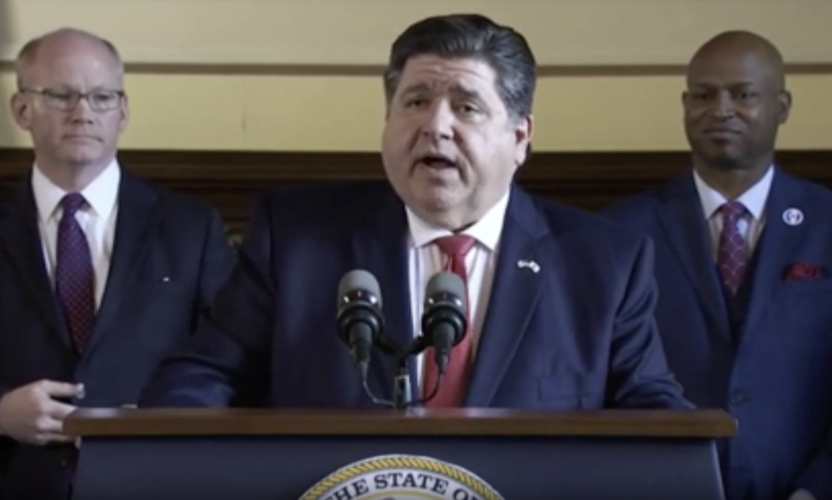



Illinois Gov. JB Pritzker, flanked by Illinois Senate President Don Harmon, left, and House Speaker Emanuel "Chris" Welch, right
EAST ST. LOUIS — Illinois can't give illegal immigrants special in-state discounts on college tuition or special grants to attend the state's public colleges and universities, a federal judge has ruled.
On July 24, U.S. District Judge David W. Dugan ruled Illinois Democratic lawmakers and Gov. JB Pritzker violated federal law and the U.S. Constitution by enacting laws specifically designed to allow illegal immigrants to attend Illinois public colleges and universities at the same tuition rate normally reserved for U.S. citizens and legal non-citizens who live in Illinois.
In the ruling, Dugan said the Illinois laws, known as the RISE Act and the Illinois DREAM Act, illegally give illegal immigrants state educational benefits that are not also extended to U.S. citizens who live outside Illinois.
"Put simply, U.S. citizens or nationals must be treated no worse than illegal aliens," Dugan wrote in the ruling.
Following the decision, Steven D. Weinhoeft, U.S. Attorney for the Southern District of Illinois, praised Dugan's ruling.
“Illinois sought to incentivize illegal immigration on the taxpayer’s dime by treating illegal aliens better than U.S. citizens living in other states, in clear violation of federal law,” said Weinhoeft. “This ruling enforces the statute Congress wrote and stops the State from putting illegal aliens ahead of American citizens.”
The decision marks a big win for Trump administration in their legal campaign to strike down so-called "sanctuary" or "welcoming" laws and policies in Illinois and other states.
In Illinois, for instance, the Justice Department has taken aim at state laws that have forbidden state agencies and local governments, including state and local police, from assisting federal immigration law enforcement operations or agencies in any way. This includes forbidding police from turning over illegal immigrants who have been charged or convicted of crimes to federal officers for deportation and removal from the U.S.
At the same time, the Justice Department filed lawsuits in the past 12 months seeking to strike down state laws and policies giving discounted college tuition to illegal immigrants.
The Justice Department filed its lawsuit challenging the Illinois laws in the fall of 2025.
The so-called Illinois DREAM Act has been in place since 2003. Under that law, illegal immigrants — or, as the law calls them, "undocumented students" — are considered by the state to be eligible to receive the same discounted tuition rates offered to students whose family lives in Illinois.
The Illinois RISE Act, enacted in 2019, allows illegal immigrants to apply for Illinois state financial aid, including the state's Monetary Award Program (MAP) grants, in a way that bypasses the traditional federal student aid programs, which are typically routed through the Free Application for Federal Student Assistance (FAFSA) program.
In their lawsuit, the Justice Department said those laws conflict with federal law which forbids states from awarding college education benefits to illegal immigrants unless they also extend the same benefits to U.S. citizens and other legal U.S. residents who live outside that state.
"Illinois chose to give preferential treatment based on residence to people here illegally," the Justice Department said in a statement. "It did not extend that same treatment to American citizens who live outside Illinois.
"That preference is illegal."
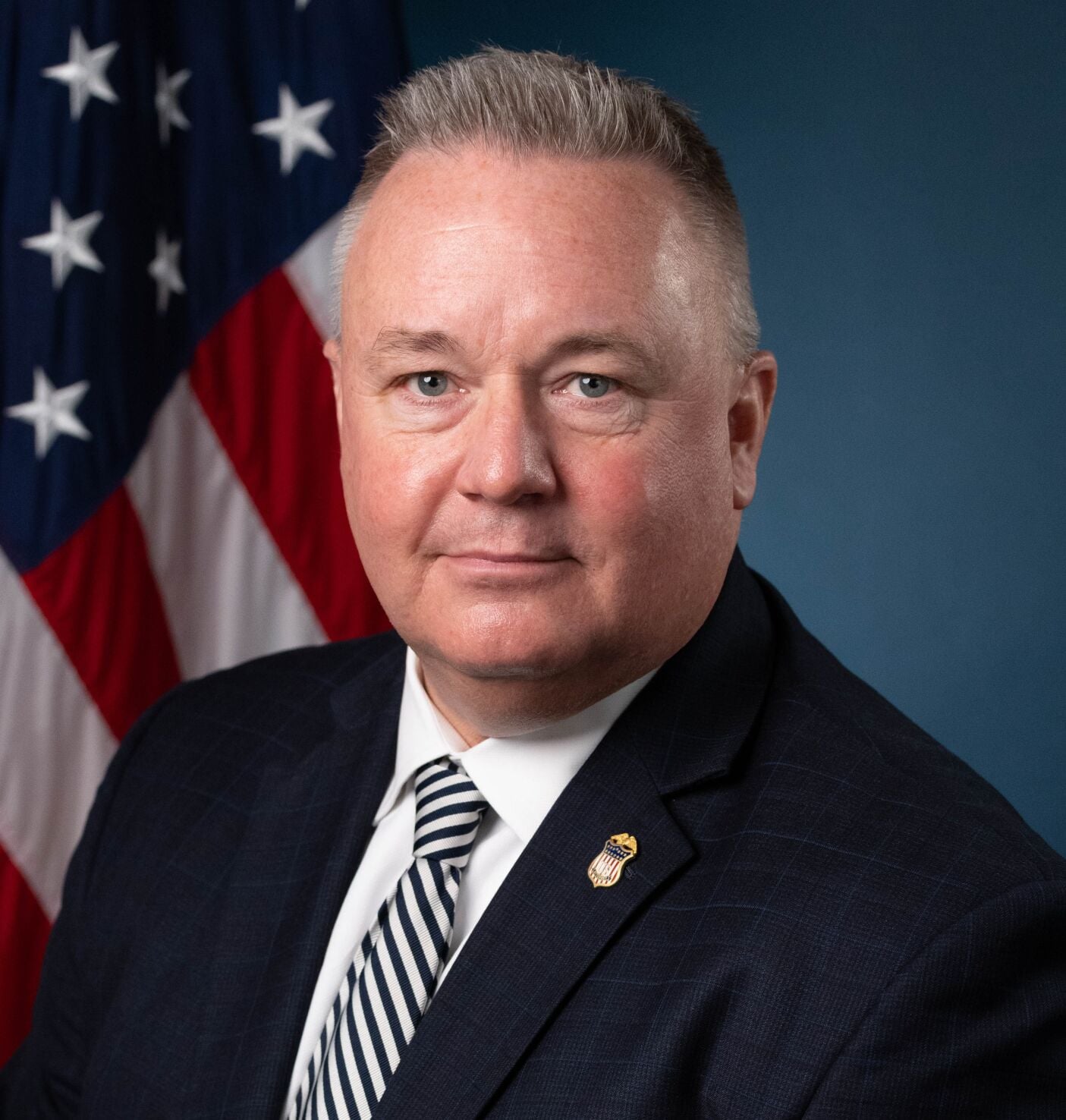
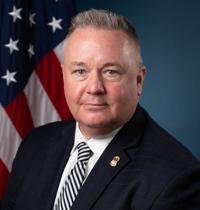
Southern District of Illinois U.S. Attorney Steven Weinhoeft
In response to the lawsuit, Illinois Attorney General Kwame Raoul argued the state should be considered free under the Constitution to choose to consider illegal immigrants as residents of Illinois, who can enjoy all of the benefits of residency, whether those be the freedom to interact with local police without fear of being turned over for deportation or access to state financial aid and reduced tuition at colleges.
In answering both the federal lawsuit challenging the state "sanctuary" laws and the federal lawsuit challenging the state's enhanced college tuition benefits for illegal immigrants, Raoul argued the so-called "anti-commandeering doctrine" shields Illinois from efforts by the White House to prohibit such aid for illegal immigrants.
States, like Illinois, should be free to "welcome" illegal immigrants, if they wish, regardless of federal law or policies, Raoul has argued.
That argument has prevailed to this point in Chicago federal court proceedings defending the state's "sanctuary" laws. That case remains on appeal.
Dugan, however, said the "anti-commandeering" defense falls short when the controversy involves college tuition benefits.
In this case, Dugan said, the federal government is not commanding the state to do anything or marshaling any state resources to advance a federal program or policy. Rather, the judge said, Congress has passed a law under its constitutional federal immigration enforcement authority forbidding states from essentially favoring illegal immigrants when doling out college discounts and other postsecondary education benefits.
Dugan said Illinois has two choices under the federal law: Either extend discounted tuition benefits or in-state college financial assistance to every U.S. citizen, everywhere, or prohibit illegal immigrants from receiving the in-state assistance.
What the state cannot do under federal law, Dugan said, is offer the benefits to illegal immigrants and not U.S. citizens living outside Illinois.
And since a constitutional federal law forbids such state laws and policies, those laws are therefore unconstitutional, under the U.S. Constitution's so-called Supremacy Clause, which forbids states from enacting laws or policies which directly conflict with federal law or usurp federal authority.
The judge put his order on hold for 14 days, as the state of Illinois is almost certain to appeal the ruling to the Seventh Circuit.
The ultimate answer to the question, however, may come from the U.S. Supreme Court, as other federal judges elsewhere may reach different conclusions to the questions presented in Justice Department lawsuits pending against such laws and policies favoring illegal immigrants in California and other Democrat-dominated states.