



The California state flag flies alongside the U.S. flag.
SACRAMENTO — The California State Assembly last month killed a bipartisan bill to reduce shakedown lawsuits targeting California businesses under the Americans With Disabilities Act, a move that highlights state lawmakers’ inconsistent actions to curb costly lawsuit abuse, a new report says.
The American Tort Reform Association (ATRA) said in its 2026 Legislative HeatCheck report last week that Senate Bill 84, which passed the state Senate in 2025, died last month after it failed to meet a procedural deadline. The bill would have allowed small businesses to avoid construction-related liability claims by correcting violations of rules governing accessibility for the disabled within 120 days of being served with a letter itemizing such violations.
Instead of advancing SB 84, lawmakers instead chose to support an alternative that the ATRA said would likely make the problem of excessive ADA burdens on businesses even worse.
ATRA, however, indicated that lawmakers did send one meaningful legal reform to the desk of Gov. Gavin Newsom this year. That bill, SB 623, which Newsom signed, will place limitations on recovery of damages for medical expenses charged to plaintiffs in auto accidents involving rideshare companies.
“This is a real fix for a real problem, and it’s a model other states should look at,” ATRA’s counsel for civil justice policy, Lauren Sheets Jarrell, said in a prepared statement. “But it only reaches rideshare cases. The same inflated-billing and lien practices run throughout California’s injury system, so this is a first step, not the finish line.”
The failure of SB 84 to advance was particularly disappointing for reform advocates, including the California Citizens Against Lawsuit Abuse (CALA).
“Predatory (ADA) lawsuits have been hurting business in California for far too long,” Victor Gomez, California CALA’s executive director, said in a statement. “Over the last two years, business owners have spoken and their voices were heard. SB 84, legislation to protect small businesses from these shakedown suits, passed the Senate floor unanimously. Unfortunately, a few lawmakers blocked the bill.”

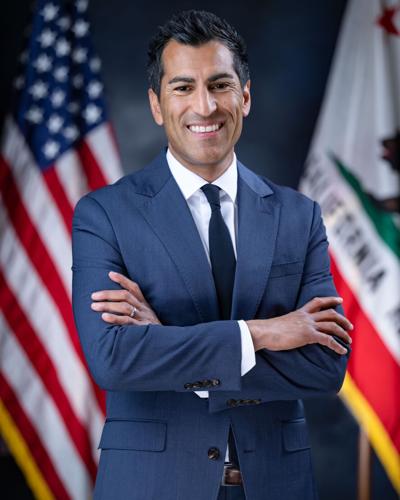
California State Assembly Speaker Robert Rivas
The alternative now being touted by lawmakers and trial attorneys, AB 649, is problematic and could result in more businesses shuttering their doors or leaving California, according to Gomez.
AB 649 would make it nearly impossible for businesses that win meritless accessibility lawsuits to recover attorney fees while also requiring businesses to pay for new inspections and to fix all ADA violations within 120 days, even if a fix can’t be done with reasonable efforts, ATRA reported.
Other bills affecting the civil justice system remain at different points in the legislative process.
SB 690, another bipartisan reform, is at a standstill in the Assembly Appropriations Committee. That measure would help to curb excessive claims over minor website issues by stating that the use of normal analytics tools does not amount to “wiretapping” under the state’s privacy law. Attorneys have advanced a legal theory that the use of such tools can provide an avenue to pursue settlements from businesses, according to ATRA.
Other bills under consideration by the state legislature would expand excessive litigation, ATRA reports. AB 1776 would open new avenues for costly antitrust lawsuits against businesses that aren’t actually monopolies, while SB 947 could transform a minor paperwork mistake into a lawsuit against a business, bill opponents say.
Like California, Michigan, New York and Ohio lawmakers have also received ATRA’s “Legislative Limbo” designation in the organization’s 2026 HeatCheck report.