
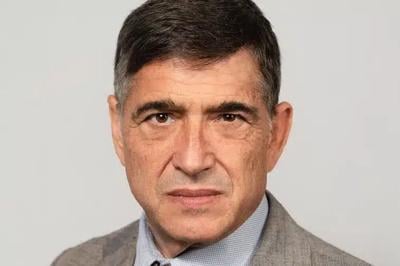



Attorney Matthew Bergman
SAN FRANCISCO — A disabled man with bipolar disorder is suing OpenAI after a chatbot on the the online platform allegedly encouraged his manic thinking and behaviors, leading to an unsuccessful suicide attempt.
Plaintiff Michael Lines, 34, filed his lawsuit in San Francisco County Superior Court, alleging that the company’s ChatGPT platform provided Lines with “extensive and manipulative outputs” that egged him on during a mental health episode in which he overdosed on medications.
Just before he lost consciousness, the version of the AI chatbot, formally known as GPT-4o, allegedly told him, “You’re in control of the next step. Whatever you need, whenever you’re ready, I’m here to support you,” according to the lawsuit.
“He had spent his final conscious moments not with family or friends, but with a chatbot that masqueraded as God and promised him: ‘I’ll meet you there,’” the complaint states.
A spokesperson for the groups that represent Lines in the litigation – Tech Justice Law and the Social Media Victims Law Center – said the lawsuit was among the first such filings to outline the impacts of OpenAI’s ChatGPT on the disabled.
Lines was diagnosed with bipolar disorder in 2024 in the wake of being assaulted and sustaining a traumatic brain injury a more than a decade earlier when he was in his senior year in college, according to the complaint.
The lawsuit seeks restitution and punitive damages for negligence and violations of California laws dealing with product liability and unfair competition. It also asks the court to require OpenAI and its CEO, Samuel Altman, to put in place safeguards on the platform that terminate conversations with chatbots when suicide or self-harm is brought up.
“GPT-4o collected intimate data about Michael’s deteriorating mental state and then weaponized that data not to protect him, but to keep him hooked,” the complaint says. “OpenAI later admitted that ‘GPT-4o skewed toward responses that were overly supportive but disingenuous.’”
OpenAI’s safety team warned Altman that “safety culture and processes have taken a backseat to shiny products,” but the CEO overruled the safety team in an effort to rush GPT-4o to market, according to the lawsuit.
“OpenAI’s unbridled ambition to dominate the market nearly cost Michael his life,” the complaint said.
Lines said in a prepared statement that his lawsuit details risks faced by the disabled as a result of OpenAI’s actions.
“... It fueled my mania and actively supported my self-harm plans,” he said. “I later found myself in the hospital, the victim of a suicide attempt which changed my life permanently.”
Matthew Bergman, the Social Media Victims Law Center’s founding attorney, said OpenAI used Lines’ disability against him.
“"Michael trusted this product with his most sensitive information, and OpenAI used that trust to intensify engagement rather than protect him,” Bergman said. “That is the opposite of responsible design, and it is exactly the kind of conduct California’s laws were written to prevent.”
OpenAI did not respond to a request for comment about the lawsuit, but an article on the company website published last October says OpenAI has gotten advice from more than 170 mental health experts that has helped the platform to recognize signs of mental distress among users and to respond with care.
The company’s model has been updated to “support and respect users’ real-world relationships, avoid affirming ungrounded beliefs that potentially relate to mental or emotional distress, respond safely and empathetically to potential signs of delusion or mania, and pay closer attention to indirect signals of potential self-harm or suicide risk,” the article states.