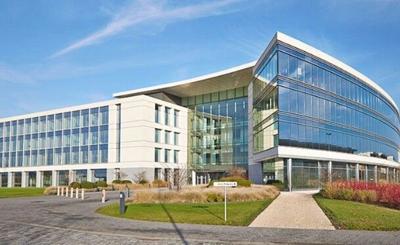



GlaxoSmithKline headquarters in Belgium
PHILADELPHIA – Investors In GlaxoSmithKline have lost their lawsuit alleging the company hid the popular heartburn medicine Zantac’s potential to cause cancer, months after 75,000 personal-injury cases were essentially thrown out of court due to weak evidence.
Philadelphia federal judge Chad Kenney granted GSK’s motion to dismiss yesterday in a class action claiming a decades-long concealment of the risks of Zantac. Those worries escalated in 2019 when a laboratory known for litigation-friendly results heated Zantac in an artificial stomach to 260 degrees and mixed in an amount of salt that would kill a human being to create NDMA, a carcinogen.
Tens of thousands of personal-injury claims have been dismissed due to a lack of reliable expert testimony, while the FDA, which ordered a short-lived recall, criticized the lab Valisure’s testing methods.
GSK did pay more than $2 billion to settle about 80,000 lawsuits while denying allegations, and the class action said the company had given investors the “false impression” that it did not know of a connection between Zantac and NDMA.
However, the case wasn’t filed until a year ago – six years after the FDA had reached out to GSK about the Valisure study. It sought compensation for entities who invested in GSK from 2020-2022 but missed the two-year statute of limitations, Kenney wrote.
News articles and personal-injury cases gave investors everything they needed to know, he added.
“(R)easonably diligent plaintiffs would have discovered the facts constituting securities fraud claims prior to Feb. 4, 2023, and would have had sufficient information to adequately plead their claims in a complaint,” Kenney wrote.
“The Court will dismiss Plaintiffs’ Amended Complaint with prejudice because any attempt to cure the pleading deficiency would be futile.”
A 1982 study by Richard Tanner, a former GSK scientist, found Zantac’s active ingredient ranitidine can form NDMA in the human stomach under certain conditions. Tanner later said that could also happen in normal storage and transportation conditions.
Though GSK kept the study confidential while submitting information to the FDA in 2019, personal-injury lawyers obtained and cited it as early as February 2021. It was mentioned in various public court records, including a Dec. 6, 2022, opinion by a Florida judge that disqualified plaintiff experts and ended approximately 50,000 cases.
A similar thing happened in December when the Delaware Superior Court refused to allow lawyers to introduce new experts after the state Supreme Court had declared their originals unreliable. That struck a death blow to 75,000 lawsuits.
A California judge did allow plaintiff experts, and there are other coordinated mass torts in some state courts. Defendants have had success taking their arguments to trial.
However, Valisure, the lab that started all this litigation, scored a payday by filing a False Claims Act lawsuit against GSK, winning a $67.5 million settlement from which it was to receive up to 30%.