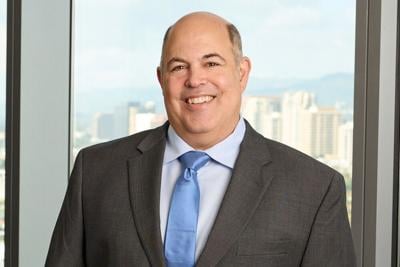


Andrew Baum is an attorney representing L.A. County amid the investigation into allegedly fake sex abuse claims filed against the county by a Los Angeles area firm.
LOS ANGELES - The State Bar of California has launched an investigation of “potentially systemic fraudulent practices” carried out by the law firm that helped to win a $4 billion settlement last year through its representation of child sexual abuse victims.
The State Bar’s decision to investigate the practices of the Downtown Los Angeles Law Group (DTLA) was revealed in defendant Los Angeles County’s recent motion for a modification of a protective order pertaining to evidence in child sexual abuse cases involving county foster care and detention centers.
The motion for a change in the protective order was filed Jan. 20 in Los Angeles County Superior Court by attorneys with the firm Glaser, Weil, Fink, Howard, Jordan & Shapiro LLP, who represent the county in the litigation. The motion comes in the wake of Los Angeles Times articles alleging that some DTLA plaintiffs were paid either by the law firm or third parties and that two of the plaintiffs were “told to fabricate stories of abuse.”
Groups including the Consumer Attorneys of California (CAOC) have called on the State Bar to investigate the allegations to better ensure that taxpayer settlement funds are going to the true victims of child sexual abuse at county facilities. In turn, the State Bar issued a subpoena for three categories of county records: pleadings, factsheets provided by DTLA and Certificates of Merit filed by DTLA, according to the court motion.
Certificates of Merit help to assure that there are meritorious grounds for claims.
The county was able to produce documents related to the pleadings, but the court’s protective order keeping certain records confidential prevented the county from providing the State Bar with the factsheets and Certificates of Merit, the motion filed by the county’s attorneys states.
“The State Bar believes these documents are relevant to its investigation into this matter,” the motion says. “And the county wishes to help the Bar in its investigation in order to fully investigate the allegations raised by the LA Times. As a result, the county brings this motion and seek(s) the court’s modification of the protective order and authority to provide the documents to the State Bar.”
Typically, the State Bar neither confirms nor denies the existence of investigations of attorney misconduct until formal charges are brought by investigators. DTLA did not respond to the Southern California Record’s requests for comment about the State Bar probe, but the law firm told another media outlet, “While we are cooperating with the Bar, we are taking whatever steps necessary to protect the legitimate privacy rights of the plaintiffs who are victims of sexual assault.”
The Los Angeles County District Attorney’s Office is also investigating hundreds of child sex abuse claims filed against the county for potential fraud. Thousands of such claims were filed in the wake of the passage of Assembly Bill 218, which provided a three-year window for claimants to file such claims of sexual abuse that occurred in past decades.
County attorneys argued that the court should modify the protection order because California courts have ruled that orders sealing such information must not bar regulatory agencies from carrying out investigations to protect the public.
“Without modification, the county is unable to cooperate with the State Bar,” the motion states.
The judge assigned to the case, Lawrence P. Riff, could rule on the matter by Feb. 26, according to the county’s motion.
The CAOC has also criticized the practice of plaintiff firms involved in the sexual abuse settlements with the county over the financial relationships they allegedly have with Wall Street investors and private equity firms.
Caption: Andrew Baum is one of the attorneys representing Los Angeles County who authored the motion to modify a protective order to give the State Bar access to DTLA certificates and factsheets.
Credit: Glaser, Weil, Fink, Howard, Jordan & Shapiro LLP