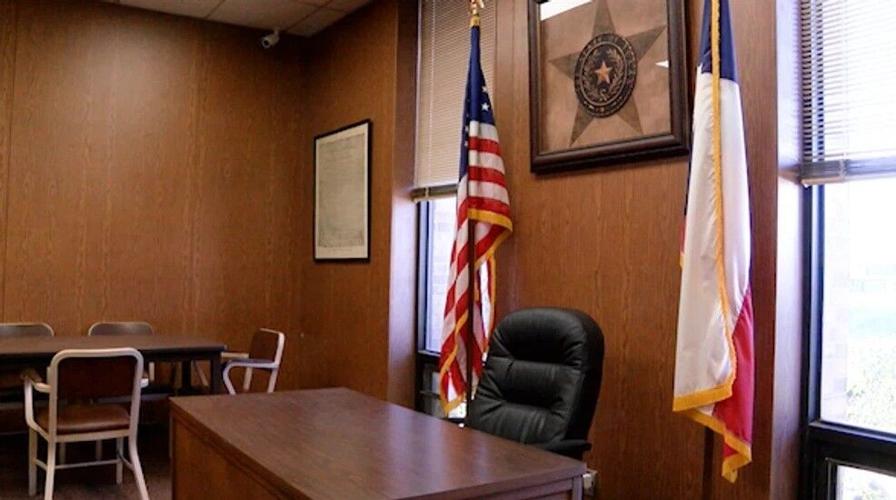





AUSTIN — For decades, Texas has enacted civil reforms to help curb frivolous litigation while helping to create a fair legal climate for medical providers and businesses.
But that trend could swing in the next couple of years.
After the 15th Court of Appeals was created in 2023, Gov. Greg Abbott stocked the court with three Republicans. But after last week’s midterm election that saw Texas turn blue, the specialized court will be paneled by three Democrats heading into 2026: Jerry Zimmerer, Thomas Baker and Marc Meyer.
The 15th Court could prove critical on whether businesses continue to see Texas as a favorable place to do business, as the court handles litigation brought against the state and its agencies. The court also processes direct appeals from the Texas Business Courts regarding commercial and corporate disputes.
Outgoing Justice Scott Field says he is proud of the job he and his colleagues did in getting the 15th Court “off to a great start.”

Overturf
Texans for Lawsuit Reform thanked the judges who faithfully served Texas on the 15th Court, as well as those who served on the Supreme Court, as four Republican justices lost their seats on the bench.
“The Texas Miracle has thrived over the last 30 years because lawmakers placed guardrails to allow access to justice while keeping civil courts fair and predictable,” said Jordan Overturf, director of communications for TLR. “This helped Texas become America's economic powerhouse, with record corporate relocations in recent years.
“Employers will make decisions based on if and how that legal environment changes over the next two years.”
For more than 30 years, Republicans have dominated Texas’ highest court. But that changed November 3 after four incumbents lost their bid for re-election.
Democrat Maggie Ellis beat Chief Justice Jimmy Blacklock; Chari Kelly defeated James Sullivan in the race for Place 2; Kristen Hawkins outran Kyle Hawkins for Place 7; and Gisela Triana will claim the Place 8 seat from Brett Busby.
Also over the past 30 years, the state Supreme Court has handled several landmark cases that have helped shape corporate law and commercial litigation in Texas, including the 2026 case of In re Home Depot, in which justices held companies shipping passive goods through independent motor carriers do not owe a general legal duty of care for the carrier's roadway operations.
The case was brought following a deadly collision with a tractor-trailer and is widely viewed as a major victory for the state’s business climate, as many groups argue frivolous litigation and nuclear verdicts is driving up costs.
Overturf says voters made it clear on Election Day that affordability is their top concern.
“Nobody can defend fraud in medical billing in personal injury cases, staged accidents or foreign money from hostile nations bankrolling lawsuits in Texas courts,” he said. “Each of these drives up costs for Texas families and employers, and anyone serious about affordability should be willing to stand with us to stop them.”