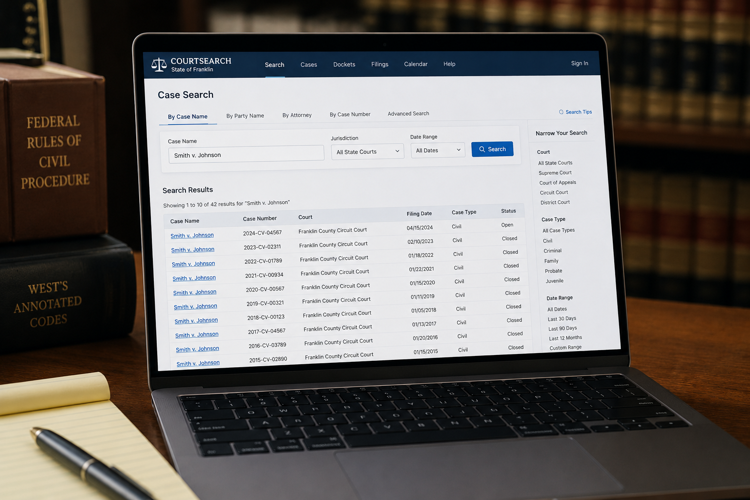



HOUSTON - Just like lawyer billboards and commercials during sports has become the new norm, so has legal analytics for law firms.
According to Lex Machina’s 2026 Impact of Legal Analytics Survey, 100 percent of law firm professionals now agree that litigation analytics add value to their practice, up from 95 percent last year.
The shift means that in today’s competitive legal landscape, litigation data analytics have officially crossed the line from a competitive advantage to a baseline expectation.

Maserek
Adam Maserek, a legal data expert at Lex Machina, says Texas law firms should be building analytics into their pitches.
“The larger message for Texas law firms is that data-informed advocacy is moving from a competitive advantage to a client expectation,” Maserek said. “Firms should be building analytics into pitches, intake, pricing, claim assessment, and litigation strategy, not treating it as a specialty tool that is consulted only after a case is well underway.”
According to the survey data, key trends driving this adoption include:
Rising Client Expectations: 88 percent of large-firm and 55 percent of small-firm professionals report that clients now expect analytics to be used on their matters;
Leveling the Playing Field: While only 44 percent of small firms currently use analytics (compared to 86 percent of large firms), 100 percent agree it adds value, allowing lean teams to compete without expanding headcount;
Smarter Business Development: Firms of all sizes cite pitching and client development as their top business use, leveraging data to win RFPs with specifics rather than generalized experience; and
The Push for Integration: Analytics are moving out of silos, with 75% of large firms and 70% of small firms wanting to integrate litigation data directly into internal workflows and AI tools via APIs.
Lex Machina says the survey confirms that analytics have become a defining marker of modern legal practice, providing attorneys with the clarity they need to move past “war stories” and build strategies around verified data patterns.
Maserek is a former civil litigation attorney and works closely with law firms to show how litigation intelligence can be integrated directly into everyday workflows to improve case outcomes, sharpen business development, and strengthen client trust.