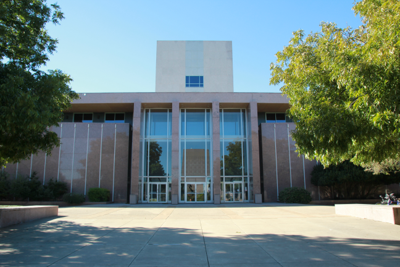



Texas Supreme Court
AUSTIN - The Texas Supreme Court found that the term “windstorm” in a homeowners insurance policy applies to damages caused by a tornado.
The February 13 opinion stems from a breach of contract lawsuit brought by Jeff and Staci Mankoff against Insurer Privilege Underwriters Reciprocal Exchange.
In 2019, a tornado damaged the Mankoffs’ home, which was covered by a homeowners insurance policy issued by Insurer. The couple submitted a claim for damages to their property, but the insurer paid only a portion of the claim.
The Insurer explained that the tornado qualified as a windstorm and maintained that the claim was therefore subject to the policy’s $87,156 “Windstorm or Hail Deductible.” The insurance policy does not define “windstorm.”
In their suit, the Mankoffs alleged that the damage to their home was not caused by a windstorm and that Insurer breached the policy by applying the deductible to the amount owed on their claim.
Court records show the parties both sought summary judgment. The couple argued that “windstorm” denotes a peril distinct from a tornado, while Insurer maintained that “windstorm” is a broad term that unambiguously encompasses a tornado.
The trial court granted Insurer’s motion for summary judgment and rendered a take-nothing judgment against the Mankoffs. An appellate court, however, reversed the ruling.
The Supreme Court held that the common, ordinary meaning of “windstorm” in an insurance policy unambiguously includes a tornado. And since the damage to the couple’s property was caused by a tornado, their claim was subject to the policy’s “Windstorm or Hail” deductible.
“We hold that the term ‘windstorm,’ when undefined in a homeowners insurance policy, is not ambiguous and that its ordinary meaning encompasses a tornado,” the opinion states. “Accordingly, the trial court correctly granted summary judgment for Insurer on the ground that Insureds’ covered claim is subject to the ‘Windstorm or Hail’ deductible in their homeowners policy.
“We therefore reverse the court of appeals’ judgment and reinstate the trial court’s judgment.”
Case No. 24-0132