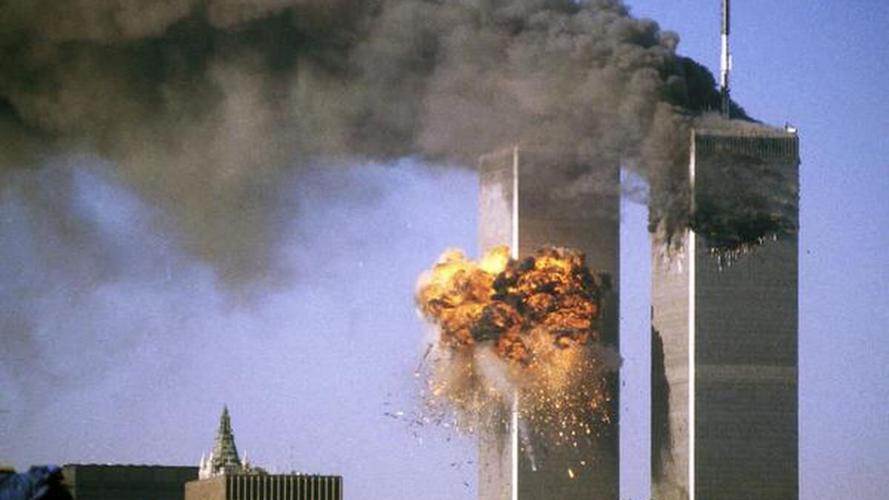

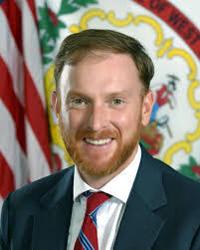


CHARLESTON – West Virginia Attorney General J.B. McCuskey has joined a bipartisan group of 31 state AGs in filing a friend of the court brief at the United States Supreme Court on behalf of the victims and families of victims of the September 11 terrorist attacks demanding they be awarded financial judgements from frozen Taliban funds.
The states represented in the coalition have citizens who were among the nearly 3,000 people murdered on September 11, 2001, and among the Americans the Taliban has killed and maimed since. Some of those citizens – and the estates of others – won the judgments at issue here: roughly $17 billion in final judgments against the Taliban, entered by federal courts, many after decades of litigation.

McCuskey
Despite those judgments, the Second Circuit now has told them that $3.5 billion in Taliban-controlled funds sitting a few blocks from Ground Zero is beyond their reach because the U.S. Treasury Department froze the Taliban funds eight days before the Taliban installed their own government and took control of the country’s bank. The AGs say that was a misreading of the congressional statute.
In short, Congress has said that in every case in which a person has received a judgment against a terrorist because of an act of terrorism, any assets in the U.S., including the blocked assets of that terrorist party, can be used to fulfill that judgment. The coalition argues that simple rule applies here, regardless of when the Taliban government took over Afghanistan.
“Nothing can ever take away the pain these victims and families have experienced for the past 25 years,” McCuskey said. “The retribution we are asking for is a small step in helping repair the generational wounds that the terrorists inflicted on our country that day.
“We must not allow the Taliban to hide behind a misreading of the congressional statute.”
Also joining the Iowa-led brief are the attorneys general of Alabama, Alaska, Arizona, Arkansas, Florida, Georgia, Idaho, Indiana, Kansas, Kentucky, Louisiana, Maryland, Mississippi, Missouri, Montana, Nebraska, New Hampshire, New Mexico, North Carolina, North Dakota, Oklahoma, Ohio, Pennsylvania, South Carolina, South Dakota, Tennessee, Texas, Utah and Wyoming.