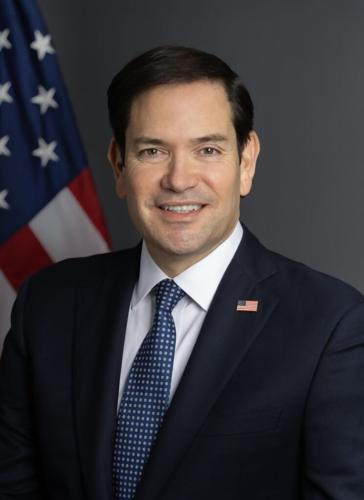



Rubio
WASHINGTON, D.C. - The Trump administration has moved to cut the influence of the International Agency for Research on Cancer, a group whose work is often used by trial lawyers to launch waves of high stakes lawsuits in U.S. courts over everyday products made by American companies.
The U.S. State Department and the Department of Health and Human Services issued a joint statement denouncing the International Agency for Research on Cancer, saying its reports are “politicized” and “undermine confidence in everyday products.”
The statement may serve to diminish the importance of IARC findings in U.S. mass-tort litigation, where plaintiff lawyers have used the agency’s findings to advance hundreds of thousands of lawsuits over everything from Roundup weedkiller to Johnson & Johnson’s Baby Powder.
The U.S. government criticized IARC for issuing findings that “often blur the line between hazard and true risk, while diminishing independently verified findings of other research institutions.” It was an IARC panel that kickstarted Roundup litigation by concluding in 2015 the active ingredient glyphosate – one of the most widely used agricultural chemicals – was a “probable carcinogen.”
The non-voting chair of that panel, Chris Portier, signed on as a $450-an-hour expert for U.S. plaintiff lawyers shortly after. The U.S. Environmental Protection Agency and most other national regulators, meanwhile, reject IARC’s conclusion and regard glyphosate as safe.
A World Health Organization agency composed of independent scientists who are sometimes affiliated with U.S. trial lawyers, IARC has declared more than 500 substances as definitely or possibly carcinogenic, including alcoholic beverages, fried food, red meat, hot beverages, talc, cellphones and working as a hairdresser. Plaintiff lawyers in the U.S. leverage those findings by hiring medical experts who cite IARC to establish general causation, a key step in overcoming a defense motion to dismiss.
Plaintiff lawyers have used IARC findings to support litigation over cosmetic talc, Zantac stomach medicine, PFAS “forever chemicals” and products such as acne medicine, sunscreen and shampoo that may contain benzene. Some of those cases have been thrown out as judges ruled the expert opinions were invalid, but others have ended in lucrative settlements.
The government noted the role of IARC in U.S. courts in its June 8 statement, saying “IARC’s research provides diminishing returns on scientific enterprise, while advancing politicized narratives that are often cited for U.S. domestic legal contexts.”
“For example, equating red meat to tobacco products oversimplifies complex scientific discourse and does little to inform sound public health policy that could be of benefit to the American people,” the government said. It proposed an “America First approach to health” based on scientific evidence, “not by organizations whose findings may not fully align with U.S. law, policy, or scientific review practices.”

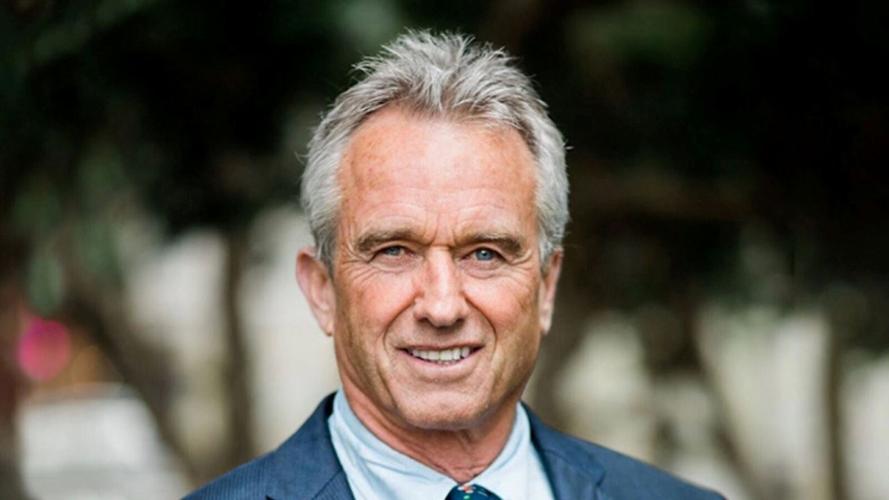
Robert F. Kennedy Jr.
The government’s position is surprising, given HHS Secretary Robert F. Kennedy Jr.’s financial interest in mass-tort litigation, including over Roundup. Kennedy was part of the trial team that won a landmark $289 million verdict against Roundup manufacturer Monsanto in 2018, later reduced, and has also been involved in lawsuits over Gardasil vaccine and PFAS.
If judges become less accepting of IARC, it may make it harder for plaintiff lawyers to assemble mass tort cases.
“There would never have been the hundreds of thousands of glyphosate or talc lawsuits had IARC been a responsible research agency,” said David Zaruk, a retired professor and editor of The Firebreak, a Substack publication that has been harshly critical of IARC and its connections with trial lawyers. Zaruk has traced the close ties between some IARC scientists and the Collegium Ramazzini, which recently released a Global Glyphosate Study which claimed the Roundup ingredient causes leukemia.