


CVS
PHILADELPHIA – The Pennsylvania Supreme Court will decide whether Philadelphia can sue a group of pharmacies including CVS over the opioid epidemic, in a lawsuit calling the city the “largest open-air drug market on the East Coast.”
The court agreed last week to hear the pleas of CVS, Albertson’s and Acme Markets, three companies on the losing end of a February Superior Court ruling affirming Philadelphia’s pursuit of a “public nuisance” argument.
Thousands of lawsuits have been filed around the country over the addiction crisis, leading to massive settlements with drug-makers, distributors and pharmacies. Philadelphia is also among those suing pharmacy benefits managers as well.
These cases are filed under the theory of public nuisance and allege defendants ignored red flags in prescription records, leading to a country of painkiller addicts who eventually turned to heroin, fentanyl and other illegal drugs.
CVS, in the pharmacies’ case, pointed at a Commonwealth Court ruling that tossed a public nuisance claim against the manufacturers of lead paint. That court held the lawsuit failed “to allege the interference with a public right.”
But Philadelphia did sufficiently make that allegation here, the Superior Court ruled.
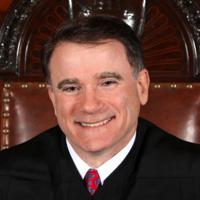
“To the extent the Appellant Pharmacies claim they cannot be liable for ‘another individual’s user misuse of a lawful product,’ we note that the crux of the City’s claim is that the Appellant Pharmacies distributed mass amounts of opioids in violation of the law and regulations to which they were beholden and, in so doing, created an opioid epidemic in Philadelphia,” Judge Judith Ference Olson wrote.
“To be sure… an example of a common law public nuisance is ‘the shooting of fireworks in the public streets’ – which constitutes a misuse of a lawful product that harms public safety.”
Some courts - most recently the Maryland Supreme Court - have ruled public nuisance claims in opioid lawsuits are improper. Maryland’s justices said pharmacies can’t be liable for the lawful distribution of prescription drugs, deciding against recognizing “a public right to be free from the adverse effects associated with a lawful product being diverted, misused, or abused.”
The case was brought in 2021 against several defendants, many of whom have settled or declared bankruptcy. It alleged a flood of opioids endangered the public health and safety of citizens, driving up crime and illnesses like hepatitis C.
“Piles of trash, needles, and other waste” littered the City, the suit says. In the Kensington area, there was a “sprawling encampment of drug users who injected themselves with opioids and heroin in broad daylight.”
Philadelphia seeks money to pay for the detox and treatment of opioid addicts. Money recovered in other cases has been earmarked for similar public-health programs – after private lawyers hired by government officials took their cut. Philadelphia hired several firms, including Baron & Budd, which holds a leadership position in federal opioid cases consolidated in Ohio.