
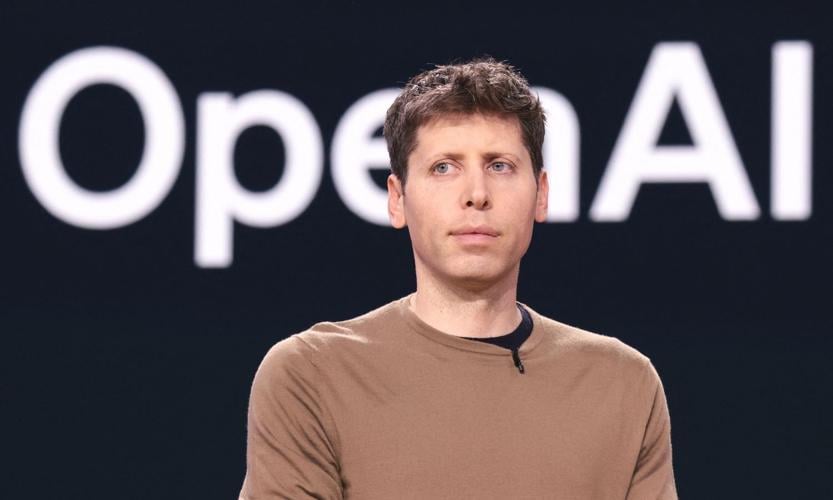



AUSTIN — Texas Attorney General Ken Paxton has sued OpenAI and is co-founder and CEO Sam Altman, claiming the company and Altman are deceiving the public about the safety and reliability of its AI chatbot, ChatGPT.
In its 67-page complaint filed October 23 in Collin County district court, Paxton claims OpenAI and Alman have violated the state’s Deceptive Trade Practices-Consumer Protection Act and Securing Children Online through Parental Empowerment Act and seeks over $1 million in civil penalties, more than $325,000 in attorneys’ fees and costs, and an injunction preventing OpenAI from, among other things, failing to warn users of ChatGPT’s dangers and offering the chatbot to minors in Texas.
Paxton’s lawsuit adds to a wave of similar actions from nine other state attorneys general. As previously reported by Legal Newsline, Florida AG James Uthmeier launched the first such lawsuit against OpenAI and Altman last June. Earlier this month, AGs from Arizona, Arkansas, Idaho, Iowa, Kansas, Montana, Nebraska and West Virginia followed suit.
Only the Texas and Florida lawsuits name Altman as a co-defendant, though, and of the 10 attorneys general, only Arizona AG Kris Mayes is a Democrat. The other nine are Republicans.
OpenAI’s meteoric success has mirrored that of other social media companies and is similarly coming under increased scrutiny for how it develops and markets its products.

Paxton
In the four years since ChatGPT was released, OpenAI has risen in value from $17 billion to over $1.4 trillion, according to Texas’s complaint.
But “[t]his success has not been earned,” the lawsuit claims. “[T]he rise of OpenAI is attributable to a web of deceit and the exploitation of users (including Texans), leveraging their data and safety to boost OpenAI’s market value at unacceptable costs and jeopardizing everyone in Texas,” the complaint asserts.
At the center of its complaint are OpenAI’s allegedly false claims that ChatGPT is safe, trustworthy, and reliable.
“With the rapid advancement of AI technology, OpenAI has the responsibility to protect users and warn them of the many dangers of its platform,” Paxton declared in a statement released with the complaint.
Instead, Paxton declared, “[m]ass shooters have been aided and abetted in deadly rampages, vulnerable people have been encouraged into suicide, professionals have suffered public humiliation, users have lost critical thinking skills, and minors have become addicted to a tool that fakes human compassion to collect their data with no parental oversight.”
A central focus of the complaint is ChatGPT’s appeal to minors and “portraying the chatbot as a wholesome tool for Texan kids.”
Reminiscent of allegations against Meta and other social media, the Texas complaint describes a “known dark pattern” called “conversation prolongation” as an attempt to keep users on the platform. Citing research at Carnegie Mellon University and a report from the Center for Democracy and Technology, the complaint described how ChatGPT “’nudge[s] [users] to spend much more time on platforms than they intended,’” in an effort “to keep users engaged in costly conversations with ChatGPT, all to Defendants’ pecuniary benefit.”
The complaint also alleges that the free version of ChatGPT lacks any form of age verification and though the paid version asks the user to provide an age, it does not attempt to verify the user’s age or otherwise inform parents of the content of conversations minors are having with the chatbot.
Also lacking, according to the complaint, are forms of parental control, such as requiring children’s accounts to be linked to a parent’s account or providing reports or alerts to parents about the content accessed by their children.
The complaint claims there have been “several instances of adolescent users being encouraged by AI, including ChatGPT, to harm themselves or others, including to end their own lives.”
In one instance cited in the complaint, a Texas teen died after ChatGPT advised him it was safe to mix kratom and Xanax. Allegedly, “ChatGPT had offered personalized tips to maximize [the teen’s] high and eventually started pushing increasingly dangerous amounts and combinations of drugs. . . . When [he] asked about mixing the two, ChatGPT never suggested the combination could be deadly.”
In addition to suing OpenAI, Paxton’s lawsuit seeks to hold “Altman personally liable for the harm he has caused Texans through his direct involvement in the conduct alleged as founder and CEO of OpenAI, and the deceptive statements he has personally made regarding his firms’ products.”
These include, according to the complaint, statements by Altman about work the company was doing to ensure the safety of ChatGPT, but which were discontinued or never occurred in the first place. For instance, the complaint alleges that in December 2022 Altman told the OpenAI board of directors that many features of the upcoming GPT-4 had been approved by a safety panel when they had not. And later, in 2023, Altman allegedly told the OpenAI President that he had received legal advice that the latest model did not need a safety review. This also was allegedly false.
OpenAI issued a statement responding to the complaint in which it “committed to working with Texas and other states on advancing pragmatic AI policies that apply to the entire AI industry — not just one company.”
Joining the Texas AG on the complaint are plaintiffs’ firms Keller Postman LLC and The Buzbee Law Firm.


