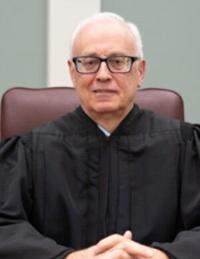

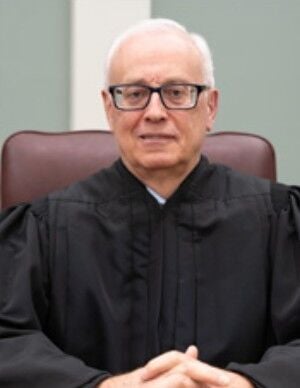
Gould
CONCORD, N.H. - A woman who clocked a blood-alcohol level well above the legal limit after she fell down stairs at a party gets another chance in court to blame it all on a car accident more than a year earlier.
That’s thanks to a ruling by the New Hampshire Supreme Court that also established a new rule for “missing witness” closing arguments. The case involves Christine Rivas, who was in an auto accident in July 2020 that she said was the fault of the driver of another car, Nadia Ciecko.
Fifteen months later, she fell down the stairs at her sister-in-law’s birthday party. Hospital records show she had an estimated blood alcohol level of 0.122 to 0.152 percent at the time of the fall. New Hampshire’s legal limit for driving is 0.06 percent.
Rivas sued Ciecko over the fall, blaming it on traumatic brain injury she suffered in the earlier car accident. At trial, she called expert Dr. Bruce Myers, who said she’d suffered whiplash injury to her neck, and Dr. Peter Warinner, a neurologist who said whiplash could cause a concussion and brain changes making someone more susceptible to the effects of alcohol.
Rivas didn’t call her own neurologist, primary care physician, or any family members who witnessed her fall down the stairs.
In closing arguments, a defense argument reminded jurors Rivas failed to provide any witnesses who treated her medical conditions or saw her fall.
“None of them came,” the defense lawyer said. “None of them came and told you what happened. She wants you to believe her testimony. We don’t have any witnesses who testified about it.”
The jury awarded Rivas $28,119.46 in damages for the car accident and nothing for the fall down the stairs. She appealed, and the New Hampshire Supreme Court partially reversed and remanded for another calculation of damages.
Rivas argued on appeal she was prejudiced by defense expert testimony about her blood-alcohol level, but the Supreme Court rejected that complaint, saying the expert’s opinion was based on sound science.
The court was more critical about the “missing witness” argument at the end, however, saying the judge should have required the defense to share their plans with the plaintiff’s lawyers before unleashing it on the jury. That way, plaintiff lawyers could have prepared their own counterarguments.
New Hampshire rules allow lawyers to bring up missing witnesses if the plaintiff could have called them and didn’t, and it is acceptable to tell jurors they can infer the missing witnesses may have been unhelpful to the plaintiff.
To clarify the rule, Justice Bryan Gould said: “a party who intends to argue in closing that the opposing party’s failure to call a certain witness was because the witness’s testimony would be adverse, the party must notify the court and the opposing party in advance.”
Rivas was represented by Boynton, Waldren, Doleac, Woodman & Scott, while the defendant was represented by Friedman Feeney Getman.