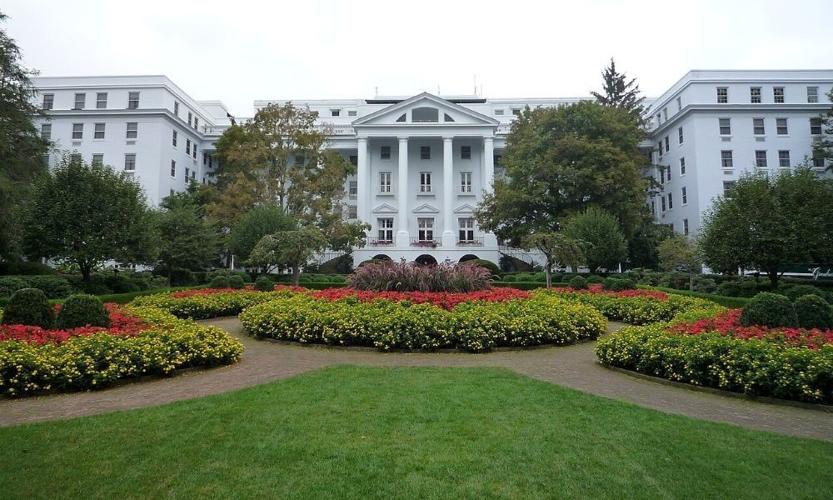



The Greenbrier Resort
BECKLEY – A federal judge is giving an Omni Hotels affiliated holding company five days to respond to Sen. Jim Justice family’s bid for more time, as he signals growing impatience with delays in a promised $500 million refinancing Greenbrier attorneys say is “on the verge of closing.”
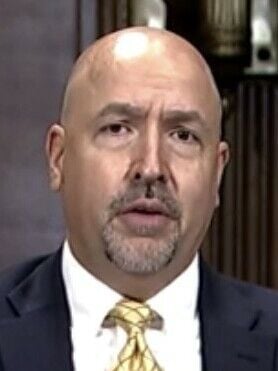
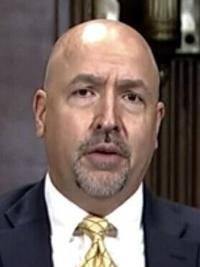
Volk
In a July 22 order, Chief U.S. District Judge Frank Volk directed White Sulphur Springs Holdings to file by Monday, July 27, any response to the Justice entities’ July 21 response to his previous order to show cause.
Volk’s latest order does not rule on the requested extension but sets the next step in a case that could determine whether the refinancing is allowed to close under court supervision or whether Volk moves ahead more quickly on WSSH’s receivership bid.
Volk’s latest directive comes two days after Greenbrier attorneys told him the Kennedy Lewis Investment Management deal is “nearly complete” and projected to close by August 7, and that resuming receivership proceedings now could derail a transaction they say would pay WSSH in full and hand it nearly $100 million in profit for holding the loans about four months.
In that July 21 filing, the Justice family and their businesses asked for a narrowly tailored extension with reporting requirements instead of an open‑ended pause, proposing status reports on July 27 and July 31 and an automatic inquiry before a magistrate judge if the deal is not closed by August 7.
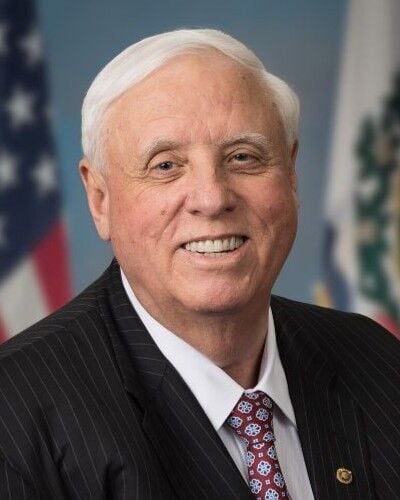
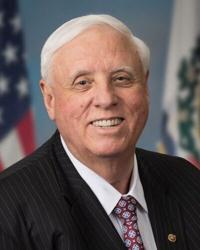
Justice
Wednesday’s order recounts the procedural history that led to this point.
On May 22, the defendants moved to suspend briefing deadlines and hearings while they pursued the Kennedy Lewis transaction, and on May 30 Volk granted that suspension motion through July 16 with the expectation that the refinancing would be completed by then. When no motion to extend was filed before that date, Volk issued an order July 19 to show cause directing the Justice entities to explain in writing why he should not promptly set further proceedings to adjudicate the merits, including WSSH’s request for a receiver.
The Justice defendants responded July 21 with a status report on the Kennedy Lewis deal, saying primary transaction documents are “in substantially final form,” physical inspections and financial due diligence have been completed without disqualifying issues, title commitments have been obtained and payoff figures have been collected from creditors to be repaid at closing.
They identified only three remaining items – West Virginia Lottery Commission approval relating to The Greenbrier’s casino license, finalization of title insurance on dozens of parcels, and lien releases that meet the structure of the transaction – and stressed that none is entirely within their control.
At the same time, the filing accuses WSSH of impeding the very repayment it claims to want.
The Justice entities say their representatives “had to repeatedly ask” WSSH’s team to provide payoff information for closing, a request they claim took five days to fulfill, and contend that efforts to schedule calls involving Kennedy Lewis, Justice representatives and WSSH were declined or delayed, costing “several more days” and requiring Kennedy Lewis to reach out again for closing documents.
“Put simply, WSSH has returned to the same playbook that it employed the last time defendants tried to pay off the loans,” the filing states, accusing the Omni affiliate of trying to keep “its quest for The Greenbrier alive” and to acquire one of West Virginia’s “leading business operations” at a price that would generate “exponentially greater profit.”
An exhibit letter from Kennedy Lewis’s counsel backs the Justice side’s description of the deal’s status, telling Volk that the transaction parties are “working diligently to consummate the anticipated transaction as quickly as reasonably possible” and that the representations in the defendants’ response are consistent with the lender’s view.
The Justice filing emphasizes that the deal is unusually complex given its size, the number of entities and parcels of real estate involved, and its structure as a joint venture rather than a simple loan, and argues there is “nothing unusual or improper” about closing taking longer than hoped as long as the parties act in good faith.
In asking for more time, the Justice entities are not seeking “a few months to close the deal” but a brief, supervised window tied to the August 7 target date, with built‑in court oversight if there are more delays. If the refinancing is not closed by then, they want Volk to order “an immediate inquiry by a magistrate judge” into what is holding it up and to obtain a prompt recommendation on what steps are needed either to close or to push the case forward, saying that framework preserves both the chance to complete the deal and the court’s ability to clamp down on any further slippage.
Throughout the response, the defendants again invoke Volk’s earlier description of receivership as “the corporate equivalent of martial law,” calling it “likely unprecedented” to impose such a remedy when a creditor is “demonstrably oversecured” and stands on the eve of a refinancing that would pay it in full and deliver a nine‑figure gain. They warn that appointing a receiver now could “well derail the financing transaction” and destabilize The Greenbrier’s finances instead of protecting the resort’s nearly 250‑year heritage and thousands of jobs.
The filing also revisits an earlier dispute over a deal WSSH allegedly proposed and then withdrew, saying the Omni affiliate first offered terms that would have avoided the need for the Kennedy Lewis refinancing but later insisted on a “massive windfall profit,” assuming the Justice entities could never meet that demand.
Now that they say those hurdles have been overcome with Kennedy Lewis’s backing, they argue it would be “deeply inequitable to pull the rug out from under them just as their transaction is nearing completion.”
Volk has said he is prepared to move toward a “prompt adjudication” of WSSH’s receivership motion and related claims if he is not persuaded that more delay is justified.
U.S. District Court for the Southern District of West Virginia case number 5:26‑cv‑257