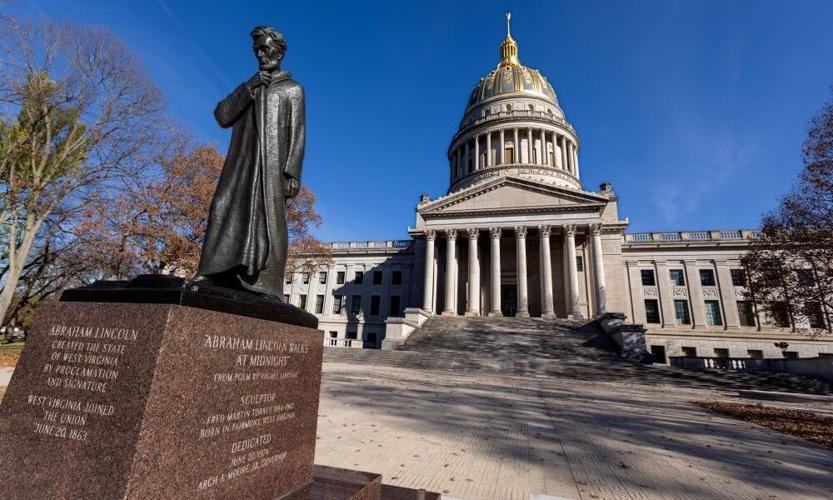




“Abraham Lincoln Walks At Midnight” outside the West Virginia State Capitol.
CHARLESTON – The annual state legislative session has begun, and Gov. Patrick Morrisey has outlined his plans for 2026 in his State of the State address.
In his speech January 14 just hours after the Legislature gaveled in, Morrisey proposed a 10 percent tax cut. But in his $5.5 billion budget proposal, the tax cut only amounts to 5 percent, so lawmakers would have to come up with another $125 million somewhere to hit that 10 percent goal.
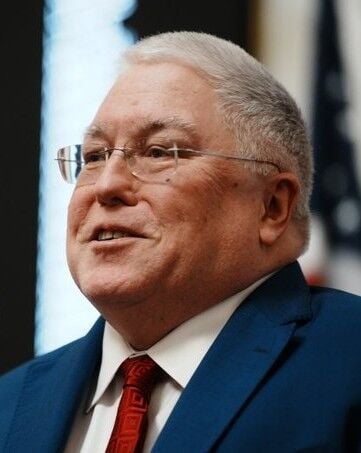
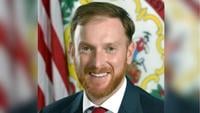
Morrisey
Revenue Secretary Eric Nelson told state senators the following day Morrisey is ready to work with lawmakers to make that happen.
Meanwhile, leaders of several groups have their own goals for the 60-day legislative session.
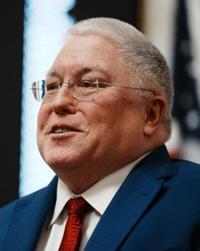
Roberts
The West Virginia Chamber of Commerce wants to see incomes, population and gross domestic product grow.
“We aim to lower the cost of business and make West Virginia more competitive by reducing the Unemployment Compensation taxable wage base, lowering the Corporate Net Income Tax rate, of which West Virginia currently has the highest rate in the southeast,” Roberts told The West Virginia Record. “We are also committed to getting more workers into the workplace with solutions to childcare and linking education and employers, improving West Virginians’ health and well-being, focusing on education, improving opportunity for recreation and support energy creation.”
In the Chamber’s 2026 position papers unveiled earlier this week, it outlined what it calls “high-impact policy priorities that represent the unified voice of the state’s employers and focus on the goal of ensuring West Virginia wins the national race for talent and investment.”
“Our position papers are the direct result of input from the state’s job-providers,” Roberts said. “They are the people who power our economy and are ready to take West Virginia to the next level.
“To compete in 2026, we must be agile. These papers outline solutions needed to advance a climate that makes West Virginia the best place in the country to build a business and raise a family.”
On the legal reform front, the Chamber said lawmakers need to reform laws about contributions in judicial races, pass fair mediation legislation stipulating mediation should be conducted by someone other than the presiding trial judge, repeal the collateral source rule to address “double-dipping” by allowing juries to have information on damages that have already been paid by other sources, enact phantom damages reform to prevent plaintiffs receiving a windfall by being awarded damages for the full “sticker price” of medical services incurred rather than the discounted rate that was actually paid by the health insurer, lower our statutes of limitations for written and oral contracts to bring them more into line with other states as well as ensure adequate compensation of judges to attract high-quality individuals to service.

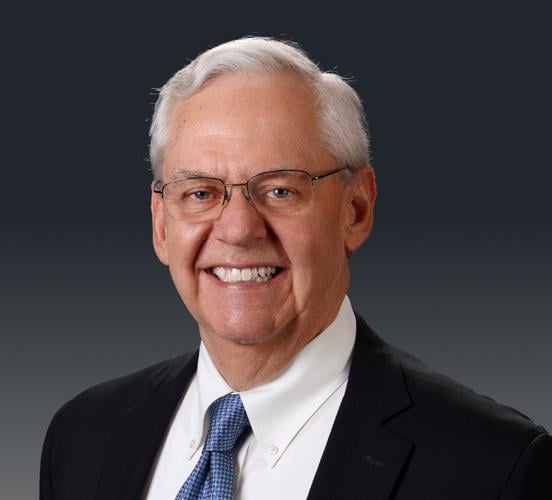
Thomas
The executive director of West Virginia Citizens Against Lawsuit Abuse says his group doesn’t expect much in terms of legal reform this session.
“After last year’s terrible legislative session, we are not optimistic about the upcoming session as it relates to legal reform efforts,” Greg Thomas told The Record. “Last session, there were 26 different bills sponsored in the state Senate that either expanded liability or created entirely new causes of action.
“West Virginia continues to be an outlier as one of only a handful of states that still has a medical monitoring ruling in place. Specifically, after it was reported that personal injury lawyers were paid over $161 million dollars on one contingency fee case with the state and local governments, it is obvious our legislature still needs to address our outside counsel hiring policies on behalf of West Virginia citizens.”
Thomas said WV CALA “will continue to educate our state leaders as well as voters about the negative impact lawsuit abuse has on jobs, consumer costs and access to affordable healthcare.”
“We also plan to highlight in an upcoming report, the tens of thousands of dollars that candidates are taking from personal injury lawyer interests heading into this year’s elections,” Thomas said.

Reed
The president of the West Virginia Association for Justice said lawmakers need to focus on what ails the state.
“The West Virginia Legislature has just 60 days to address our state’s real issues,” Kelly Reed told The Record. “To improve the state’s economy, we need to improve job training and education so our workers have the skills needed for today’s jobs. We need to fix our roads, increase our broadband, and make our infrastructure better. These are real needs that will make a real difference.
“It’s also just as important that lobbyists don’t waste our lawmakers’ limited time on made-up issues designed to increase the profits of billion-dollar corporations at the expense of our constitutional rights and personal bank accounts.”