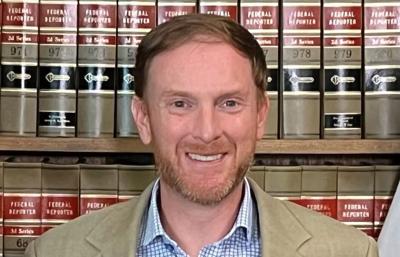



West Virginia Attorney General J.B. McCuskey
CHARLESTON – West Virginia Attorney General J.B. McCuskey’s office has announced the state is part of a nearly $664 million settlement with Snap Finance.
As part of the 17-state settlement announced October 21, Snap Finance automatically will cancel $4,442,388 in lease payments owed by West Virginians who entered into lease-to-own agreements from 2017 to 2022. Those West Virginians will be able to keep and own their merchandise with no further payments.
Snap Finance is a consumer financial services company that offers a lease-to-own agreement through merchant partners rather than through its own brick-and-mortar stores such as traditional rent-to-own stores.
Snap’s LTO product is often one of multiple purchasing options offered by a merchant. When a customer selects the Snap LTO option, Snap purchases the merchandise from the merchant, Snap takes the title or owns the merchandise, and then Snap leases it to the customer until the customer pays off the full cost of the lease under the agreement.
The AGs investigated Snap’s alleged violations of consumer protection laws and found Snap used misleading disclosures about the nature of their leasing arrangements. They also found Snap did not allow customers to view the full terms of their contracts, and customers experienced extreme communication issues when they were trying to return products; and Snap’s payment terms were confusing to customers.
For example, the states asserted that some customers thought they were entering into agreements with short pay-back windows of 100-days or fewer but instead entered into long-term contracts that ended up being more expensive. Customers were misinformed that leasing a product and making on-time payments could increase their credit score, but that was not the case. The states investigated potential bad debt collection practices and Snap’s potentially deceptive process about returning products and terminating leases.
“This settlement reinforces accountability for fraudulent business practices,” McCuskey said. “Businesses like this take advantage of people by misrepresenting legal contracts. We can’t allow that.
“Companies doing business in West Virginia must follow the law. If they don’t, we will take action to hold them accountable for deceiving our consumers.
“This settlement will provide immediate relief to victims of Snap Finance and stop the cycle of payments for goods that were seemingly never-ending.”
Snap cooperated with the settling states’ investigation and has agreed to the following business practice changes to address the states’ concerns:
· Advertising restrictions: Snap has agreed to not use misleading slogans such as “cash payoff,” “same as cash,” and “no additional fees required,” that potentially hide the true cost of the lease a customer was agreeing to.
· Disclosure and transparency: Snap must ensure that customers are shown the full terms and cost of a lease in accordance with state law before the lease can be signed.
· Servicing protections: The settlement makes it clear when Snap must repair or replace property that a customer leases and ensures Snap will do so. Additionally, Snap is prohibited from threatening seizure of a product for non-payment of a lease when it has no intent to do so.
· Disclosures about credit ratings: Snap is prohibited from misrepresenting that applying for a lease or utilizing Snap’s LTO product will help customers increase their credit score.
· Lease termination and surrender: Snap is required to provide clear disclosure of the right to terminate a lease, and Snap is prohibited from interfering with that right. Additionally, the settlement requires practical ways for a customer to return property when terminating a lease while pausing payment accrual when termination requests are processed.
· Merchant training and Compliance: Snap must meet certain initial and ongoing training requirements and provide annual compliance reports for three years.
The total lease forgiveness for consumers in all settling states will receive is $662,102,518. Snap also is paying $2,750,000 to the states. West Virginia will receive $150,000 to go into the consumer protection fund for future consumer education and enforcement efforts.
West Virginia helped negotiate the Iowa and Nebraska led settlement, which is also joined by the negotiating committee states of Florida, Idaho, Kansas and Kentucky. Arkansas, Georgia, Louisiana, Mississippi, Missouri, North Dakota, Oklahoma, Texas, Utah and Wyoming were participating states.