



CHARLESTON – West Virginia is part of an $18 million settlement with two drug companies over claims they illegally worked with competitors to raise prices on generic prescription drugs.

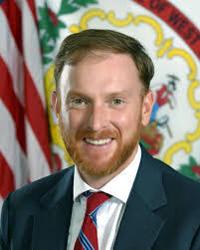
McCuskey
West Virginia Attorney General J.B. McCuskey’s office says the settlements are part of an effort among 48 states and territories to hold drug companies accountable for price-fixing schemes that made everyday medications more expensive for consumers.
McCuskey said Lannett and Bausch Health were part of widespread, long-running conspiracies to artificially inflate and manipulate prices, reduce competition and unreasonably restrain trade with regard to numerous generic prescription drugs.
“Today’s settlement is part of a long-running and on-going investigation into illegal actions by prescription drug companies, which have left consumers paying more and more for the medicines they need,” McCuskey said. “I am proud of the work being done by this bi-partisan coalition of attorneys general to go after companies that care more about their bottom line than the people they serve.”
Anyone who purchased generic prescription drugs made by Lannett and Bausch Health between May 1, 2009, and December 31, 2019, may be eligible for compensation from today’s announced settlement.
The states say Lannett and Bausch took part in long-running schemes with other drug companies to raise prices on generic drugs, avoid competing with each other and limit consumer choice and keep prices high.
The AGs say generic drugs are supposed to be affordable alternatives to brand-name medications. Instead, they claim these alleged schemes forced consumers to pay more at the pharmacy counter for drugs they rely on every day.
As part of the settlements, Lannett and Bausch will pay money to help compensate consumers, must change their internal practices to promote fair competition and will cooperate with ongoing multistate litigations against 30 corporate defendants and 25 individual executives involved in the alleged schemes.
These settlements follow earlier agreements with drug companies Apotex and Heritage that totaled $49.1 million. The states are continuing to pursue cases against dozens of remaining companies and executives, with the first trial expected in late 2026.
The investigations by the states uncovered extensive evidence showing that competing drug company executives secretly coordinated pricing through meetings, phone calls, texts, and emails — sometimes using coded language to disguise illegal behavior.
To check eligibility, visit www.AGGenericDrugs.com, email info@AGGenericDrugs.com or call 1-866-290-0182.
Also, West Virginia joined a 42-state coalition led by Connecticut in a lawsuit against Novartis and its generic subsidiary Sandoz alleging a systemic campaign to conspire with other generic manufacturers to fix prices, allocate markets and rig bids for 31 different generic drugs.
That complaint further alleges Novartis took steps to fraudulently transfer and drain assets from Sandoz and spin off Sandoz to shield Novartis from liability in the three previously filed state antitrust complaints against the company.